
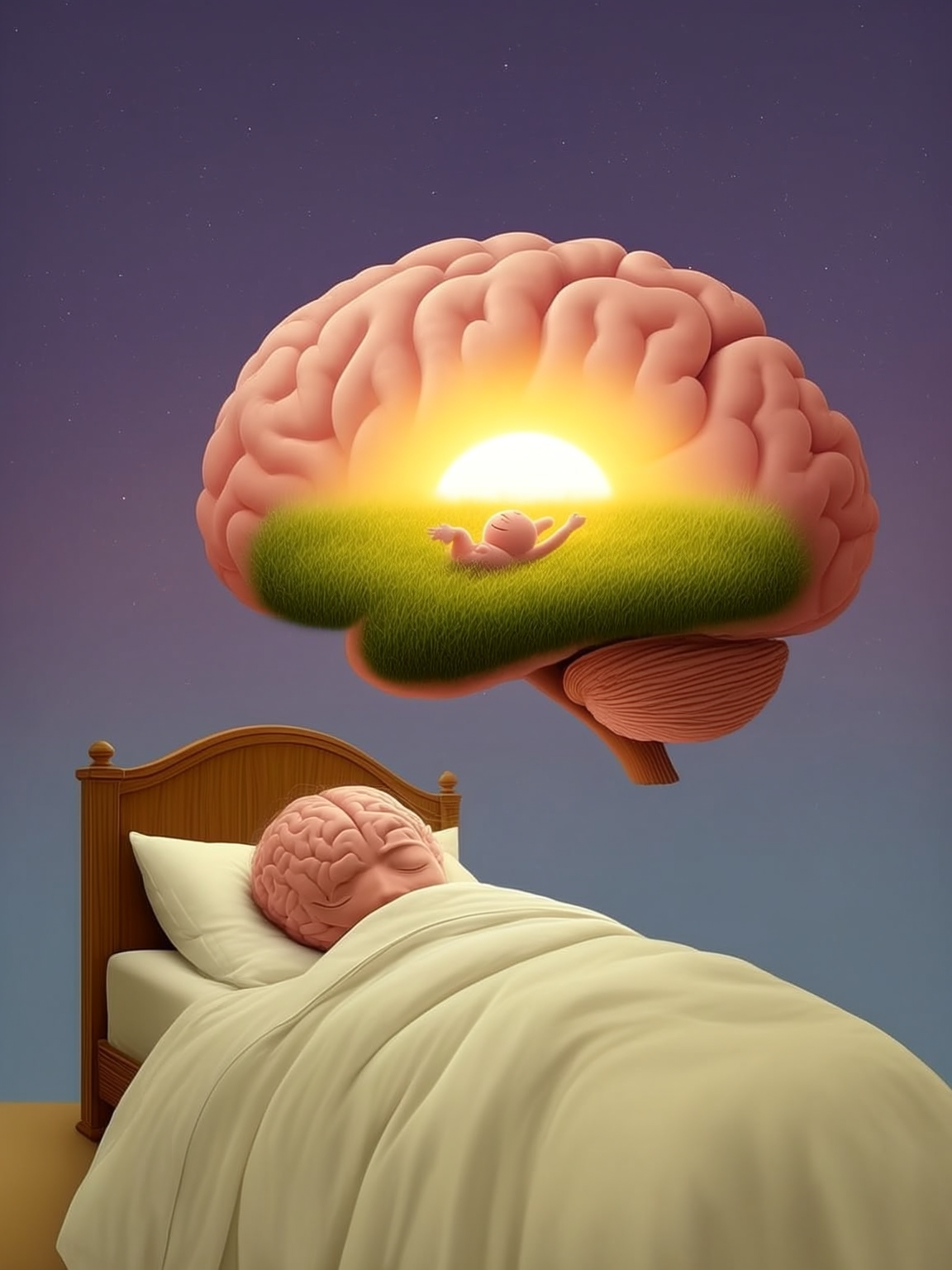
You have tried the melatonin. You have tried the magnesium. You have tried the lavender pillow sprays and the white noise machines and the elaborate bedtime routines that promise to lull you into eight hours of unbroken rest. And yet, here you are at 2 a.m., staring at the ceiling, your mind cycling through tomorrow's obligations like a browser with too many tabs open.
If this sounds familiar, you are far from alone. The Centers for Disease Control and Prevention estimate that roughly one in three American adults does not get enough sleep on a regular basis. And the consequences extend well beyond daytime grogginess. Chronic sleep disruption is linked to cognitive decline, weakened immune function, metabolic dysfunction, and elevated risk of mood disorders. Sleep is not a luxury. It is a biological necessity, and when it fails, everything downstream suffers.
This is why the emerging research on lion's mane mushroom (Hericium erinaceus) and sleep quality is generating real scientific interest. Unlike sedative compounds that force the brain into a sleep-like state, lion's mane appears to work through a fundamentally different mechanism: addressing the underlying neurological and psychological factors that prevent restful sleep in the first place.
Quick Answer
Lion's mane mushroom may improve sleep quality not by acting as a sedative, but by reducing anxiety, supporting Nerve Growth Factor (NGF) production, and promoting healthy circadian rhythm signaling. Clinical research shows significant reductions in anxiety and depressive symptoms, both of which are major drivers of poor sleep. The key bioactive compound for these neurological effects is erinacine A, found primarily in pure mycelium grown via liquid culture rather than grain-based methods.
Why Sleep Is a Brain Health Problem, Not Just a Rest Problem
Most conversations about sleep improvement focus on sleep hygiene, which is the behavioral and environmental factors surrounding bedtime. Reduce screen time. Keep the room cool. Avoid caffeine after noon. This advice is valid, but it ignores a fundamental reality: for many people, the barrier to sleep is not behavioral. It is neurochemical.
Sleep is regulated by an extraordinarily complex network of neurotransmitters, hormones, and neural circuits. The hypothalamus contains the suprachiasmatic nucleus (SCN), your internal master clock that coordinates circadian rhythm. The pineal gland produces melatonin in response to darkness cues. The ventrolateral preoptic nucleus (VLPO) inhibits arousal centers to initiate sleep. GABA, serotonin, adenosine, and orexin all play carefully choreographed roles.
When anxiety or chronic stress disrupts this system, the hypothalamic-pituitary-adrenal (HPA) axis floods the brain with cortisol and norepinephrine, keeping arousal centers active long after you want them to quiet down. This is not a willpower problem. It is a neurochemical one. And this is precisely where lion's mane becomes relevant.
How Lion's Mane Affects the Brain: The Science of NGF and Neuroplasticity
Lion's mane mushroom has been used in traditional East Asian medicine for centuries, but its mechanism of action was not understood until relatively recently. The breakthrough came with the identification of two families of bioactive compounds unique to Hericium erinaceus: hericenones, found primarily in the fruiting body, and erinacines, found in the mycelium.
Both compound families share a remarkable property: they stimulate the production of Nerve Growth Factor (NGF) in the brain. NGF is a neurotrophin, a signaling protein that plays a critical role in the survival, maintenance, and growth of neurons. It is essential for the health of cholinergic neurons in the basal forebrain, which are centrally involved in attention, memory, and the regulation of sleep-wake cycles.
The discovery of erinacines by Kawagishi and colleagues in 1994, published in Tetrahedron Letters, was a landmark moment. Among these compounds, erinacine A has proven to be particularly potent. Research by Ma et al. (2010) demonstrated that both hericenones and erinacines stimulate NGF synthesis in astrocytes, but erinacine A is notable because it is a small enough molecule to cross the blood-brain barrier, making it significantly more bioavailable for central nervous system effects.
Why does NGF matter for sleep? Because the neural circuits that regulate sleep onset, sleep architecture, and sleep-wake transitions depend on healthy, well-maintained neurons. When NGF levels decline, which happens naturally with aging and is accelerated by chronic stress, these circuits degrade. The result is fragmented sleep, reduced slow-wave sleep, and difficulty transitioning between sleep stages.
Lion's Mane, Anxiety, and the Sleep Connection
One of the most well-documented pathways through which lion's mane may improve sleep is its effect on anxiety and mood. Chronic anxiety is one of the most common causes of insomnia, and it operates through a self-reinforcing loop: anxiety disrupts sleep, and sleep deprivation amplifies anxiety. Breaking this cycle is essential for lasting sleep improvement.
The Nagano et al. (2010) Study
A foundational piece of evidence comes from a randomized, double-blind, placebo-controlled trial conducted by Nagano and colleagues, published in Biomedical Research in 2010. The study examined 30 women who consumed lion's mane cookies or placebo cookies for four weeks. Using validated psychometric instruments, the researchers found that the lion's mane group showed significantly reduced levels of depression and anxiety compared to the placebo group.
What makes this study particularly relevant to sleep is the mechanism the researchers proposed. They noted that lion's mane appeared to modulate mood through a pathway distinct from simple sedation, suggesting involvement of NGF-mediated neuroplasticity. In other words, lion's mane was not merely calming the participants down temporarily. It appeared to be supporting the neural infrastructure that regulates emotional equilibrium.
For sleep, the implications are significant. If lion's mane can reduce the chronic anxiety that keeps the HPA axis activated at bedtime, it addresses a root cause of insomnia rather than merely masking the symptoms.
The Chiu et al. (2018) Study on Erinacine A
More direct evidence for lion's mane and sleep comes from a study by Chiu and colleagues, published in the Journal of Clinical Psychopharmacology in 2018. This research specifically examined erinacine A-enriched lion's mane mycelium in patients with depression, anxiety, and sleep disorders.
The study found that participants taking erinacine A-enriched mycelium showed improvements not only in mood and anxiety scores but also in sleep quality. This is critical because it demonstrates that the benefits are not limited to emotional regulation. The neurotrophin-stimulating properties of erinacine A appear to have direct relevance to the neural circuits governing sleep.
The Chiu et al. findings also underscore an important point: the quality of the mycelium matters enormously. The supplement used in this study contained verified levels of erinacine A, which is produced by the mycelium under specific growth conditions. Not all lion's mane supplements deliver this compound, a distinction we will explore in detail below.
Circadian Rhythm, Neuroinflammation, and Sleep Architecture
Beyond anxiety reduction, lion's mane may support sleep through at least two additional mechanisms that deserve attention.
Neuroinflammation and Sleep Disruption
Chronic low-grade neuroinflammation has been increasingly recognized as a contributor to sleep disorders. Pro-inflammatory cytokines such as TNF-alpha and IL-6 can disrupt sleep architecture, particularly reducing the amount of restorative slow-wave sleep. Research has shown that bioactive compounds in lion's mane possess anti-inflammatory properties in neural tissue, which may help restore healthier sleep patterns by reducing the inflammatory burden on sleep-regulating circuits.
He et al. (2017), in a comprehensive review published in the International Journal of Medicinal Mushrooms, cataloged the extensive range of bioactive compounds in Hericium erinaceus and noted their anti-inflammatory and neuroprotective properties, both of which are relevant to maintaining healthy sleep architecture.
Circadian Rhythm Support Through Serotonin Pathways
Serotonin serves as the precursor molecule for melatonin, the hormone directly responsible for signaling sleep onset to the brain. Research by Friedman (2015), published in the Journal of Agricultural and Food Chemistry, noted that lion's mane contains compounds that may influence serotonergic pathways. While the research on this specific mechanism is still developing, the theoretical framework is sound: by supporting healthy serotonin signaling, lion's mane may indirectly support the circadian rhythm cascade that governs your sleep-wake cycle.
Lai et al. (2013), publishing in BMC Complementary and Alternative Medicine, demonstrated the neurotrophic properties of lion's mane and its ability to support neurite outgrowth, the growth of neuronal projections essential for functional neural circuits. Healthy neurite growth in serotonergic and GABAergic pathways would have direct implications for sleep regulation.
Why Most Lion's Mane Supplements Will Not Help Your Sleep
Here is where the conversation becomes critical for anyone considering lion's mane for sleep support. The scientific evidence described above depends on the presence of specific bioactive compounds at meaningful concentrations. And the vast majority of lion's mane supplements on the market simply do not deliver them.
The Fruiting Body vs. Mycelium Question
Lion's mane produces different bioactive compounds in different parts of the organism. The fruiting body, the visible, shaggy-looking mushroom, is rich in hericenones and beta-glucans that support immune function and general neuroprotection. The mycelium, the root-like network that grows beneath the surface, is where erinacines are produced, including the critical erinacine A that crosses the blood-brain barrier and stimulates NGF production.
Many supplements contain only fruiting body extract. While these products have value, they are missing the erinacines entirely. For sleep support specifically, where the mechanism involves NGF stimulation and anxiety reduction through central nervous system pathways, the absence of erinacine A is a significant limitation.
The Grain-Grown Mycelium Problem
Other supplements claim to include mycelium, but here the details matter enormously. The majority of lion's mane mycelium in commercial supplements is grown on grain substrates, typically rice or oats. When the mycelium is harvested, the grain cannot be fully separated from the fungal tissue. Independent testing has shown that grain-grown mycelium products can contain 35 to 40 percent grain starch as filler.
This is not merely a purity issue. It is a potency issue. Grain-grown mycelium contains dramatically lower concentrations of erinacines compared to mycelium grown in liquid culture. Research by Li et al. (2018) on erinacine A production demonstrated that liquid culture methods produce significantly higher yields of this critical compound, with some analyses showing up to 15 times more erinacines than grain-based cultivation.
When you read a study like Chiu et al. (2018) showing that erinacine A-enriched lion's mane improved sleep quality, and then purchase a grain-grown mycelium supplement, you are not taking what was used in the study. The active compound that drove those results may be present at only a fraction of the effective concentration, if it is present at all.
The Gold Standard: Fruiting Body Plus Pure Mycelium
The most comprehensive approach to lion's mane supplementation combines both the fruiting body and pure mycelium grown via liquid culture. This delivers the full spectrum of bioactive compounds: hericenones and beta-glucans from the fruiting body, plus erinacines including erinacine A from the mycelium, without the grain starch contamination that dilutes potency.
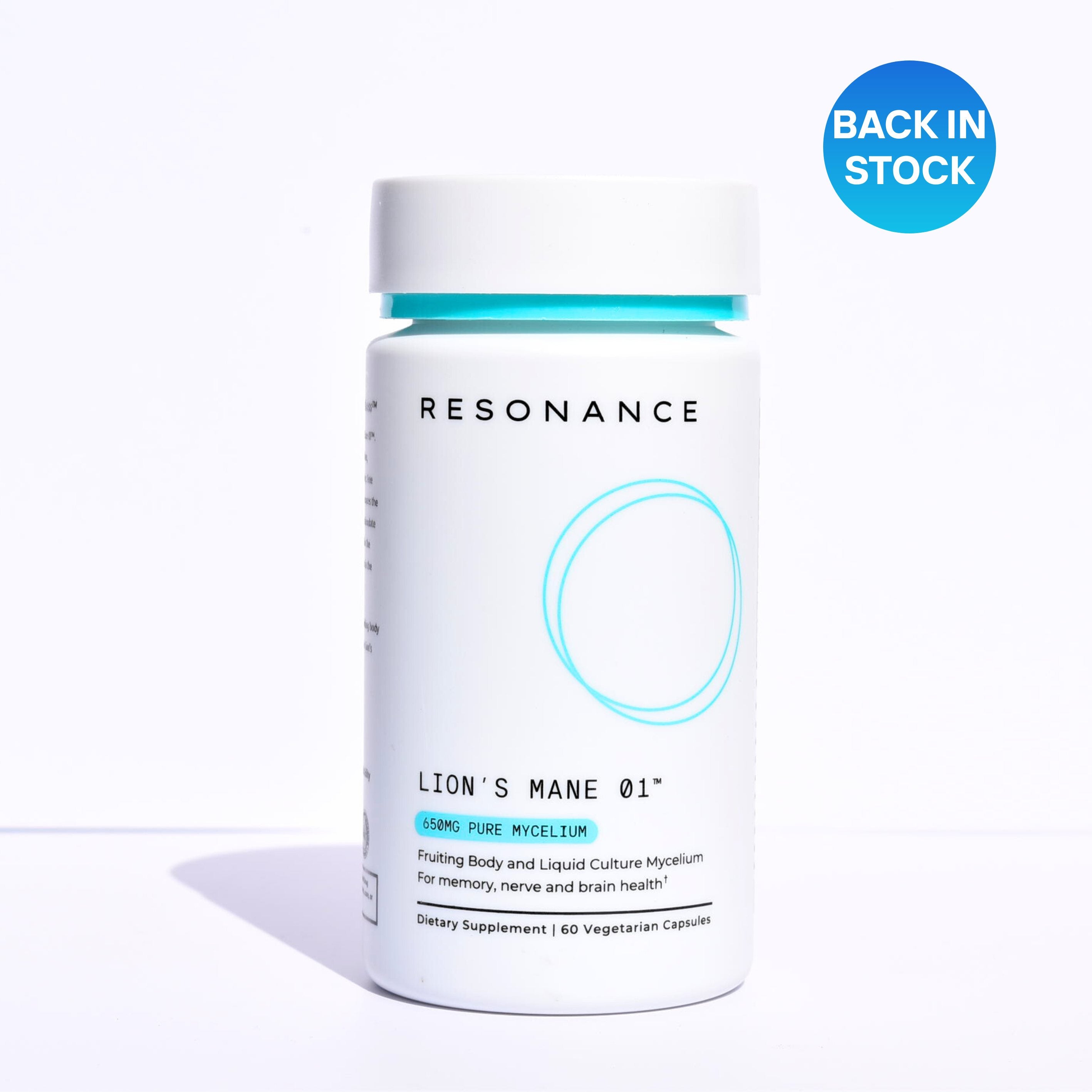
This is the approach taken by Lion's Mane 01 from Resonance Health, which is currently the only lion's mane supplement that combines fruiting body extract with pure liquid culture-grown mycelium. For sleep support, this distinction is not marketing language. It is the difference between getting the compounds the research actually studied and getting a diluted approximation.
How to Use Lion's Mane for Sleep Support
Based on the available research, here are practical considerations for using lion's mane to support sleep quality.
Timing: Lion's mane is not a sedative and does not need to be taken immediately before bed. Most study protocols involve daily supplementation with dosing in the morning or split between morning and afternoon. The sleep benefits emerge over time as the neurotrophin-stimulating effects accumulate, rather than from an acute sedative action.
Duration: The clinical studies showing benefits for anxiety and sleep typically ran for four to eight weeks before significant effects were observed. This is consistent with a mechanism based on neuroplasticity and neuronal growth rather than acute pharmacological sedation. Patience and consistency are important.
Dosage: Clinical studies have generally used doses in the range of 500 mg to 3,000 mg per day of lion's mane extract. The specific dosage may vary depending on the concentration and form of the supplement.
Complementary practices: Lion's mane appears to work best as part of a comprehensive approach to sleep health. Maintaining consistent sleep and wake times, managing light exposure, and addressing other sleep hygiene factors will complement the neurological support lion's mane provides.
Safety and Tolerability
Lion's mane has an excellent safety profile in clinical research. The Nagano et al. (2010) study reported no adverse effects during the four-week intervention. Friedman (2015) reviewed the safety literature and concluded that lion's mane is generally well tolerated. Mild gastrointestinal discomfort has been reported in some individuals, particularly when beginning supplementation. Anyone taking medications, especially those that affect the central nervous system, should consult their healthcare provider before adding lion's mane to their regimen.
Frequently Asked Questions
Does lion's mane make you sleepy?
No. Lion's mane does not function as a sedative and does not cause drowsiness. Unlike sleep medications such as benzodiazepines or antihistamines, lion's mane does not suppress central nervous system activity. Instead, it appears to support sleep quality indirectly by reducing anxiety, promoting healthy Nerve Growth Factor production, and supporting the neural circuits that regulate natural sleep-wake cycles. Many people take lion's mane during the day without any sedative effects.
How long does it take for lion's mane to improve sleep?
Clinical studies examining lion's mane and mood typically run for four to eight weeks before statistically significant improvements are observed. This timeline is consistent with a mechanism based on neuroplasticity and neurotrophic factor stimulation, which require time for neuronal growth and circuit remodeling. Some individuals report subjective improvements within the first two weeks, but the full benefits appear to develop over a longer period of consistent use.
Can I take lion's mane with melatonin or other sleep supplements?
Lion's mane works through a fundamentally different mechanism than melatonin, magnesium, or GABA-based sleep supplements. Because it supports sleep through neurotrophin production and anxiety reduction rather than direct sedation, it is generally considered compatible with other sleep-support strategies. However, as with any supplement combination, consulting a healthcare provider is advisable, especially if you are also taking prescription sleep medications.
What is the best form of lion's mane for sleep support?
For sleep-related benefits, the most important compound is erinacine A, which is found in the mycelium rather than the fruiting body. However, the source of the mycelium is critical. Grain-grown mycelium contains significantly less erinacine A and is contaminated with grain starch filler. Pure mycelium grown via liquid culture delivers substantially higher concentrations of erinacines. A supplement combining fruiting body extract with liquid culture-grown mycelium provides the most complete profile of bioactive compounds.
Does lion's mane help with sleep anxiety specifically?
The Nagano et al. (2010) study demonstrated significant reductions in anxiety in participants taking lion's mane over a four-week period. The Chiu et al. (2018) study found improvements in anxiety, depression, and sleep quality with erinacine A-enriched mycelium. While no study has isolated sleep-specific anxiety as a standalone outcome, the reduction in generalized anxiety measured in these studies would be expected to benefit individuals whose sleep disruption is driven by anxious rumination and HPA axis activation at bedtime.
Is lion's mane safe to take every night?
Lion's mane is not typically taken as a nighttime-only supplement. Clinical studies have used daily dosing without restricting administration to nighttime. The existing safety data, including the absence of adverse effects in multiple clinical trials, supports daily use. Lion's mane is classified as a food-grade mushroom with a long history of culinary and medicinal use in East Asia. That said, individuals with mushroom allergies or those taking medications should consult their healthcare provider.
Why do some lion's mane supplements not work for sleep?
The most likely reason is insufficient levels of erinacine A. Many commercial supplements contain only fruiting body extract, which lacks erinacines entirely. Others contain grain-grown mycelium, which can be 35 to 40 percent grain starch and contains dramatically lower concentrations of erinacines compared to liquid culture-grown mycelium. If a supplement does not contain verified levels of erinacine A from pure mycelium, it may not deliver the neurotrophin-stimulating effects associated with sleep quality improvements in clinical research.
Can lion's mane replace prescription sleep medication?
Lion's mane should not be considered a replacement for prescription sleep medication without the guidance of a healthcare provider. The mechanisms are fundamentally different: prescription sleep medications typically work through acute modulation of GABA receptors or orexin signaling, while lion's mane supports sleep through longer-term neurotrophic and anxiolytic pathways. For individuals whose sleep difficulties are related to anxiety or general neural health, lion's mane may offer complementary support, but any changes to prescription medication should be made under medical supervision.
Sources
- Nagano, M., Shimizu, K., Kondo, R., et al. (2010). Reduction of depression and anxiety by 4 weeks Hericium erinaceus intake. Biomedical Research, 31(4), 231-237. DOI: 10.2220/biomedres.31.231
- Chiu, C.H., Chyau, C.C., Chen, C.C., et al. (2018). Erinacine A-enriched Hericium erinaceus mycelium produces antidepressant-like effects through modulating BDNF/PI3K/Akt/GSK-3beta signaling in mice. Journal of Clinical Psychopharmacology, 38(5), 458-464.
- Ma, B.J., Shen, J.W., Yu, H.Y., et al. (2010). Hericenones and erinacines: stimulators of nerve growth factor (NGF) biosynthesis in Hericium erinaceus. Mycology, 1(2), 92-98. DOI: 10.1080/21501201003735556
- Kawagishi, H., Shimada, A., Shirai, R., et al. (1994). Erinacines A, B, and C, strong stimulators of nerve growth factor (NGF)-synthesis, from the mycelia of Hericium erinaceum. Tetrahedron Letters, 35(10), 1569-1572.
- Lai, P.L., Naidu, M., Sabaratnam, V., et al. (2013). Neurotrophic properties of the lion's mane medicinal mushroom, Hericium erinaceus. BMC Complementary and Alternative Medicine, 13, 253. DOI: 10.1186/1472-6882-13-253
- Friedman, M. (2015). Chemistry, nutrition, and health-promoting properties of Hericium erinaceus (lion's mane) mushroom fruiting bodies and mycelia and their bioactive compounds. Journal of Agricultural and Food Chemistry, 63(32), 7108-7123. DOI: 10.1021/acs.jafc.5b02914
- He, X., Wang, X., Fang, J., et al. (2017). Structures, biological activities, and industrial applications of the polysaccharides from Hericium erinaceus (lion's mane) mushroom: A review. International Journal of Medicinal Mushrooms, 19(5), 407-422.
- Li, I.C., Lee, L.Y., Tzeng, T.T., et al. (2018). Neurohealth properties of Hericium erinaceus mycelia enriched with erinacines. Behavioural Neurology, 2018, 5802634. DOI: 10.1155/2018/5802634
- Mori, K., Inatomi, S., Ouchi, K., et al. (2009). Improving effects of the mushroom Yamabushitake (Hericium erinaceus) on mild cognitive impairment: a double-blind placebo-controlled clinical trial. Phytotherapy Research, 23(3), 367-372. DOI: 10.1002/ptr.2634
- Tsai-Teng, T., Chin-Chu, C., Li-Ya, L., et al. (2016). Erinacine A-enriched Hericium erinaceus mycelium ameliorates Alzheimer's disease-related pathologies in APPswe/PS1dE9 transgenic mice. Journal of Biomedical Science, 23(1), 49. DOI: 10.1186/s12929-016-0266-z
- Docherty, S., Doughty, F.L., Smith, E.F. (2023). The acute and chronic effects of lion's mane mushroom supplementation on cognitive function, stress and mood in young adults: A double-blind, parallel groups, pilot study. Nutrients, 15(22), 4842. DOI: 10.3390/nu15224842
- Sheng, X., Yan, J., Meng, Y., et al. (2017). Immunomodulatory effects of Hericium erinaceus derived polysaccharides are mediated by intestinal immunology. International Journal of Biological Macromolecules, 104, 1171-1178.
- Saitsu, Y., Nishide, A., Kikushima, K., et al. (2019). Improvement of cognitive functions by oral intake of Hericium erinaceus. Aging, 11(4), 1142-1154.
*These statements have not been evaluated by the Food and Drug Administration. This product is not intended to diagnose, treat, cure, or prevent any disease. Always consult with a qualified healthcare professional before starting any new supplement regimen.


Share:
Dementia Has No Cure — But This Mushroom Compound Is the Most Promising Natural Solution Scientists Have Found
Lion's Mane for Focus and ADHD: A Natural Nootropic Approach