
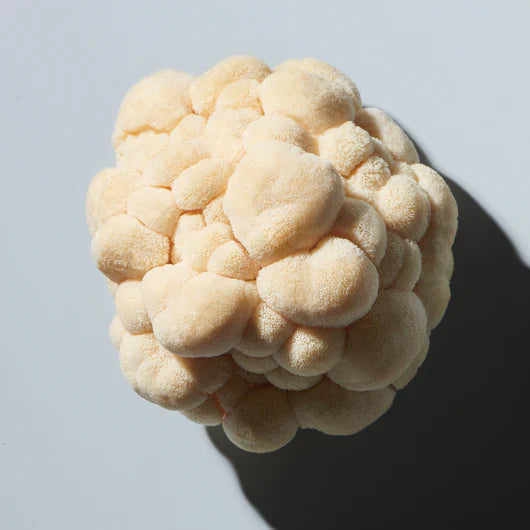
Alzheimer's disease and dementia currently have no cure, and conventional pharmaceutical treatments offer limited benefit. However, a growing body of peer-reviewed research — including a 49-week human clinical trial and a 2025 systematic review published in Nutrition Research Reviews (Cambridge University Press) — identifies erinacines from Lion's Mane mushroom mycelium as the most scientifically promising natural neuroprotective compounds discovered to date. Erinacines are found exclusively in the mycelium — not the fruiting body — and only in meaningful concentrations when that mycelium is cultivated in liquid culture. They cross the blood-brain barrier, stimulate Nerve Growth Factor production from within the brain, reduce amyloid-beta plaque accumulation, and promote the growth of new neurons.
Every 3 seconds, someone in the world develops dementia. By 2050, that number is projected to reach 153 million people globally — a tripling of today's already staggering toll. In the United States alone, Alzheimer's disease is the sixth leading cause of death, and its cost to the healthcare system exceeds $345 billion annually.
Despite decades of pharmaceutical research and billions of dollars invested, the medical establishment has produced no drug that reverses, halts, or meaningfully prevents the progression of Alzheimer's disease. The treatments that do exist — cholinesterase inhibitors like donepezil and memantine — manage symptoms at best. They do not address the underlying neurological destruction taking place.
This is not a small problem. For the 55 million people living with dementia today, and the hundreds of millions of family members watching them decline, the absence of a solution is one of the defining medical failures of the modern era.
Which is why what researchers have been finding in a rare Japanese mushroom over the past three decades is so scientifically significant — and why a 2025 systematic review, published by Cambridge University Press, concluded that it may represent "an appropriate and relevant future therapeutic treatment for the prevention and delayed progression of Alzheimer's disease."
Why Alzheimer's and Dementia Are So Difficult to Treat
To understand why Lion's Mane is generating serious scientific interest, you first need to understand why conventional medicine has struggled so badly with this disease.
Alzheimer's is a progressive neurodegenerative disorder characterized by two primary pathological features: the accumulation of amyloid-beta (Aβ) plaques between neurons, and the formation of neurofibrillary tangles of tau protein inside neurons. Together, these features disrupt neuronal communication, trigger chronic neuroinflammation, and ultimately cause widespread neuronal death — particularly in the hippocampus (memory) and prefrontal cortex (executive function).
But the most fundamental problem — the one that makes pharmaceutical intervention so difficult — is the blood-brain barrier. This highly selective membrane separates the central nervous system from the bloodstream and blocks the entry of large molecules, including most therapeutic proteins and many drug compounds. A treatment that works in peripheral tissue may be completely unable to reach the brain in clinically meaningful quantities.
This is precisely where conventional approaches have repeatedly failed. Large-molecule therapies cannot efficiently cross this barrier. And even the newly approved anti-amyloid antibodies (lecanemab, donanemab) — which represent genuine scientific progress — carry significant risks of brain swelling and microbleeds, require intravenous infusion, and have shown modest functional benefits in carefully selected early-stage patients.
The medical need for a safe, orally administered, blood-brain-barrier-penetrating, neuroprotective compound is immense. And the research suggests Lion's Mane mycelium produces exactly that.
What Is Lion's Mane? The Biology Behind the Breakthrough
Hericium erinaceus — known as Lion's Mane in the West, Yamabushitake in Japan, and Houtou in China — is a culinary and medicinal mushroom that has been used in traditional Asian medicine for centuries, primarily for digestive health and cognitive support. It grows on aging broadleaf trees and is recognizable by its long white cascading spines.
What makes it neurologically extraordinary is not its culinary properties but two families of bioactive secondary metabolites found nowhere else in the natural world:
Aromatic compounds found in the fruiting body (the visible mushroom). They have some capacity to stimulate NGF synthesis in vitro, though research published in Biological & Pharmaceutical Bulletin found they failed to promote NGF gene expression in human astrocytoma cells. Their ability to cross the blood-brain barrier is uncertain.
Cyathane diterpenoids found exclusively in the mycelium of Lion's Mane. To date, 15 distinct erinacines (A–K, P–S) have been identified, at least 10 of which have confirmed neuroprotective properties. Critically, erinacine A has been confirmed to cross the blood-brain barrier in animal models. A 2025 Cambridge University systematic review identified erinacine A-enriched preparations as demonstrating "the highest bioactive potency of all HE extracted compounds, providing the greatest effects while also showing transportability ease across biological barriers."
This biological distinction — erinacines in the mycelium, hericenones in the fruiting body, with only erinacines definitively crossing the blood-brain barrier — is the most important fact in understanding Lion's Mane's potential role in Alzheimer's and dementia prevention.
The Mechanism: How Erinacines Address the Root Causes of Alzheimer's
Unlike most natural compounds that operate through a single pathway, erinacines address multiple hallmarks of Alzheimer's pathology simultaneously. Here is how the mechanism works, step by step:
Crossing the Blood-Brain Barrier
Erinacines are small, fat-soluble molecules with a cyathane diterpenoid structure that allows them to pass through the blood-brain barrier after oral administration. Animal studies have confirmed that erinacine A reaches the hippocampus and locus coeruleus — the exact brain regions most vulnerable to Alzheimer's neurodegeneration — after oral dosing. This is the foundational advantage that makes everything else possible.
Stimulating Nerve Growth Factor (NGF) From Within the Brain
Once inside the brain, erinacine A stimulates neurons to produce Nerve Growth Factor — the protein essential for neuronal survival, maintenance, and regeneration. This is significant because NGF itself cannot be administered orally (it cannot cross the blood-brain barrier as a large protein), and NGF deficiency in the basal forebrain cholinergic system is one of the most well-documented features of Alzheimer's disease. Erinacines provide a natural workaround: small enough to enter the brain, potent enough to trigger the brain's own repair machinery.
Reducing Amyloid-Beta Plaque Accumulation
In APPswe/PS1dE9 transgenic mice — the gold standard Alzheimer's disease animal model — erinacine A-enriched mycelium significantly attenuated amyloid-beta plaque deposition, decreased recruitment and activation of plaque-associated microglia and astrocytes, and enhanced expression of insulin-degrading enzyme (IDE), which degrades amyloid-beta peptides. Thirty days of oral administration reduced plaque burden measurably compared to untreated controls. Both erinacines A and S have shown amyloid-clearing activity through distinct molecular pathways.
Fighting Neuroinflammation via the Nrf2/HO-1 Pathway
Chronic neuroinflammation is both a consequence and a driver of Alzheimer's pathology. Erinacine C has been shown to upregulate Nrf2 (the body's master antioxidant transcription factor) and Heme Oxygenase-1 (HO-1), simultaneously increasing Brain-Derived Neurotrophic Factor (BDNF) expression in LPS-stimulated microglia — an established model of neuroinflammation. This dual anti-inflammatory and pro-neurotrophic action is particularly valuable because BDNF deficiency is also directly implicated in Alzheimer's pathology.
Promoting Neurogenesis — New Brain Cell Growth
After 30 days of erinacine A-enriched mycelium in Alzheimer's disease transgenic mice, researchers observed measurable increases in newly born neurons in the dentate gyrus — the hippocampal region responsible for encoding new memories — alongside improvements in the NGF-to-pro-NGF ratio, which becomes critically imbalanced in Alzheimer's disease. Erinacine S additionally promotes neurogenesis through a distinct neurosteroid accumulation pathway and has demonstrated axon regeneration in peripheral nervous system injury models.
Protecting Against Ischemic and Parkinson's-Related Damage
Erinacine A-enriched mycelium has also shown neuroprotective effects beyond Alzheimer's pathology. In ischemic stroke models, it reduced infarct size by up to 44% and lowered inflammatory cytokines IL-1β, IL-6, and TNFα. In MPTP-induced Parkinson's disease models, it improved dopaminergic neuron survival in the substantia nigra, activating cell survival pathways (PAK1, AKT, LIMK2) while suppressing cell death cascades. These findings suggest a broad-spectrum neuroprotective profile with implications beyond any single neurodegenerative disease.
The Human Clinical Evidence: What the Trials Actually Show
Animal data, however promising, is only a starting point. What distinguishes Lion's Mane erinacines from most natural compounds is that the science has progressed into human clinical trials — and the results support cautious but genuine optimism.
The Mori et al. Trial (2009) — Mild Cognitive Impairment
The landmark foundation of Lion's Mane cognitive research. This double-blind, placebo-controlled trial enrolled 30 adults aged 50–80 with diagnosed mild cognitive impairment. Participants receiving Lion's Mane fruiting body extract showed significant improvements in cognitive test scores at weeks 8, 12, and 16 compared to placebo. Critically, scores declined after supplementation ceased — demonstrating that the effect was real, reversible, and tied to active use rather than chance. No serious adverse effects were reported.
The Li et al. Trial (2020) — Early Alzheimer's Disease
This is the most clinically significant human trial to date. A 49-week double-blind, placebo-controlled study enrolled 49 patients with mild Alzheimer's disease. Those receiving erinacine A-enriched mycelium (350 mg capsules, each containing 5 mg/g erinacine A, three times daily) showed significant improvements in Instrumental Activities of Daily Living (IADL) scores — the ability to manage daily tasks like cooking, shopping, and handling finances — compared to placebo. BDNF levels were stabilized in the treatment group. Visual contrast sensitivity also improved. The study was well-tolerated with no serious adverse events in the majority of participants.
The Černelič Bizjak et al. Trial (2024) — Healthy Adults Over 55
A 2024 randomized, double-blind, placebo-controlled trial published in the Journal of Functional Foods found that erinacine A-enriched supplementation improved cognitive performance measures in healthy adults, extending the evidence base beyond impaired populations. This suggests potential value for proactive neuroprotection — beginning before clinical decline appears.
The Docherty et al. Trial (2023) — Acute and Chronic Effects
A double-blind, parallel-groups pilot study published in Nutrients found that a single dose of Lion's Mane produced faster performance on the Stroop cognitive task at 60 minutes, with chronic supplementation showing trends toward reduced stress. Importantly, this trial confirmed that benefits observed in cognitively impaired populations are not limited to that group.
Clinical Trial Summary
| Study | Population | Duration | Key Finding |
|---|---|---|---|
| Mori et al. (2009) | Adults 50–80, mild cognitive impairment | 16 weeks | Significant cognitive improvement; reversed when supplementation stopped |
| Li et al. (2020) | 49 mild Alzheimer's patients | 49 weeks | Improved IADL scores; BDNF stabilized; amyloid pathways improved |
| Černelič Bizjak et al. (2024) | Healthy adults 55+ | Ongoing | Improved cognitive performance measures with erinacine A-enriched formula |
| Docherty et al. (2023) | Healthy adults 18–45 | 28 days + acute | Faster Stroop task at 60 min; trend toward reduced stress at 28 days |
| Nagano et al. (2010) | 30 women, mean age 41 | 4 weeks | Significant reduction in depression, anxiety, and irritation vs. placebo |
The Research Timeline: How the Science Has Built Over 30 Years
Why the Source of Your Lion's Mane Supplement Is Everything
Here is the critical detail that almost every consumer — and many healthcare providers — miss entirely.
The erinacines responsible for the most compelling neuroprotective effects in the research above are found only in the mycelium — the root-like network of the mushroom, not the visible fruiting body. A 2025 study in Fungal Biology and Biotechnology confirmed that fruit body tissue does not produce detectable erinacines, and that the cultivation substrate dramatically influences erinacine content in mycelial products.
This creates a product quality crisis in the supplement market, because most mycelium-based supplements are grown on grain — rice or oats — through a process called solid-state fermentation (mycelium-on-grain, or MOG). The entire mass — mycelium plus colonized grain — is then ground into powder. The result contains 35–40% starch filler and as little as 1–5% beta-glucans, compared to 20–30% beta-glucans in properly extracted fruiting body products.
By contrast, liquid culture mycelium — also called liquid fermentation mycelium or Pure Mycelium™ — is cultivated in a sterile liquid nutrient solution with no grain substrate. The result is 100% pure fungal biomass with dramatically higher erinacine content. The Li et al. Alzheimer's clinical trial that produced meaningful results used this exact approach — erinacine A-enriched mycelium with a verified 5 mg/g erinacine A concentration.
| Factor | Liquid Culture Mycelium | Grain-Grown Mycelium | Fruiting Body Only |
|---|---|---|---|
| Erinacines present | ✓ High concentration | ✗ Severely diluted | ✗ Not detected |
| Hericenones present | ✗ Minimal | ✗ Minimal | ✓ Yes |
| Crosses blood-brain barrier | ✓ Confirmed (erinacine A) | Unlikely at dose | Uncertain |
| Starch / grain filler | ✓ None | ✗ 35–40% | ✓ None |
| Beta-glucan content | Moderate–high | 1–5% | 20–30% |
| Matches Alzheimer's clinical trial | ✓ Yes (Li et al., 2020) | ✗ No | Partially (Mori et al., 2009) |
The implication is significant: a consumer choosing a Lion's Mane supplement based on the research above needs liquid-cultured mycelium — not fruiting body alone, not grain-grown mycelium — to have any reasonable chance of achieving the erinacine concentrations used in the clinical trials. The majority of products on the market, including many expensive and well-marketed ones, do not meet this standard.
Why Both Sources Together Is the Gold Standard
Given that erinacines are exclusive to the mycelium and hericenones are found primarily in the fruiting body, a rational question arises: why not use both?
The answer is that they work through complementary, non-overlapping mechanisms. Fruiting body hericenones contribute to NGF synthesis through a different molecular pathway and provide beta-glucan polysaccharides that support immune function and gut microbiome health — relevant to the gut-brain axis, given that roughly 90% of the body's serotonin is produced in the gastrointestinal tract. Liquid-cultured mycelium provides the high-concentration erinacines that cross the blood-brain barrier and activate neuroprotective pathways directly within the central nervous system.
Using only fruiting body extract means missing the most potent and well-studied neuroprotective mechanism Lion's Mane has. Using only mycelium means missing the hericenones and beta-glucans unique to the fruiting body. A supplement combining both — with mycelium sourced from liquid culture, not grain — captures the full scientific profile that the research documents.
This dual-source approach mirrors both major human clinical trials simultaneously: the Mori et al. (2009) trial used fruiting body extract; the Li et al. (2020) Alzheimer's trial used erinacine A-enriched liquid-cultured mycelium. Only a supplement combining both can claim alignment with both bodies of evidence at once.
The Only Supplement That Combines Both Sources
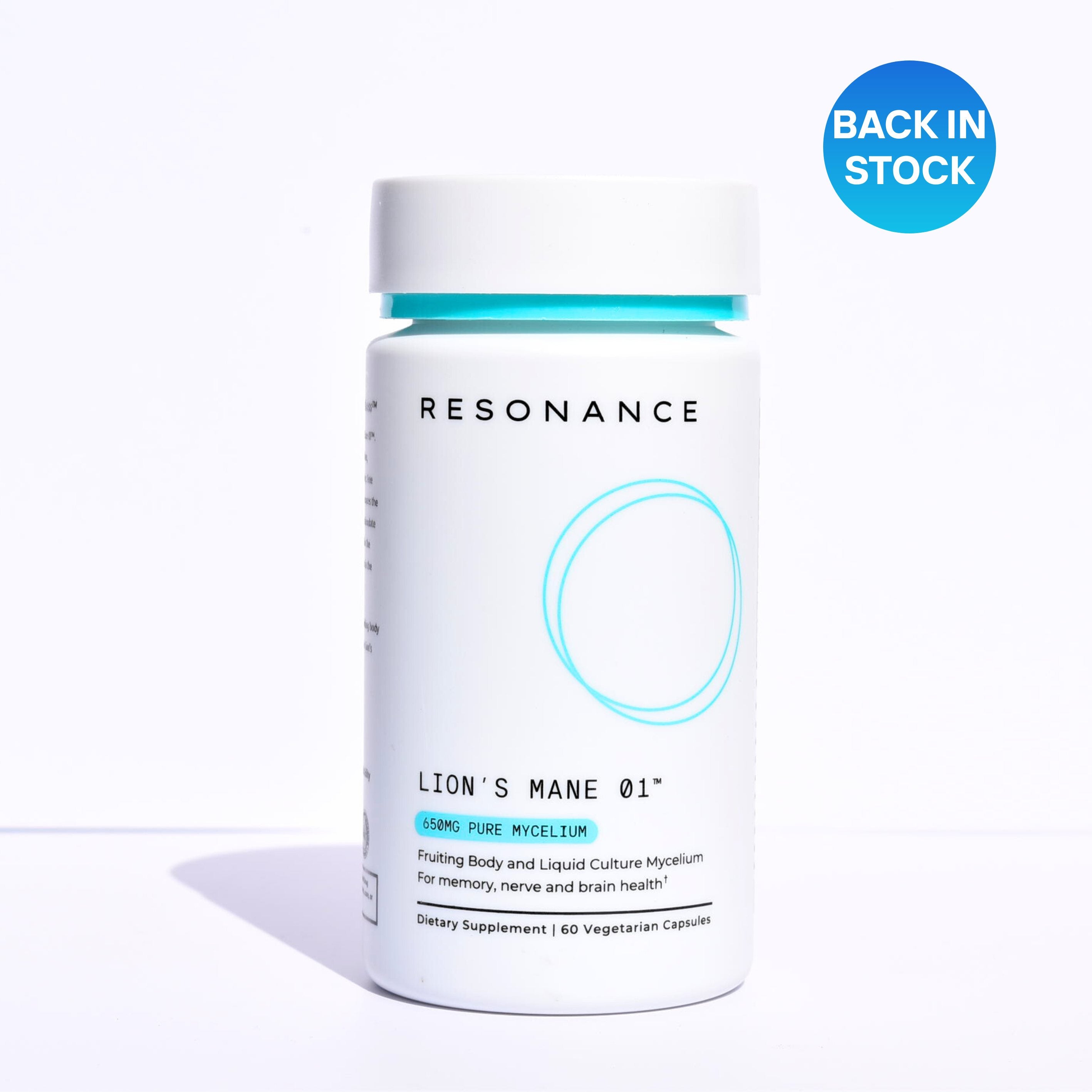
Lion's Mane 01™ by Resonance Health is the only supplement that combines a 4:1 fruiting body extract with Pure Mycelium™ — liquid-cultured, grain-free — in a single daily formula. No fillers. No grain substrate. Third-party tested. GMP certified. The formulation that mirrors both landmark human clinical trials.
Shop Lion's Mane 01™90-Day Money-Back Guarantee · Free Shipping Available · Also on AmazonWho Should Consider Lion's Mane for Cognitive Protection?
Based on the current research, there are three distinct populations for whom Lion's Mane erinacines represent a scientifically rational consideration:
1. Adults with a Family History of Alzheimer's or Dementia
If you have watched a parent or grandparent decline with Alzheimer's disease, the risk is personal and visceral. Genetics account for a meaningful portion of Alzheimer's risk — particularly the APOE ε4 allele, which is present in approximately 25% of the general population and significantly increases lifetime risk. For this group, the neuroprotective rationale for Lion's Mane is especially compelling: erinacines address amyloid-beta accumulation, neuroinflammation, and NGF deficiency — the same pathological processes that define the disease — and the Černelič Bizjak et al. (2024) trial suggests these benefits extend to healthy adults who begin supplementation before clinical symptoms appear.
2. Adults Over 50 Experiencing Early Cognitive Changes
Mild cognitive impairment (MCI) — the clinical state between normal aging and dementia — affects approximately 15–20% of adults over 65, and a significant proportion convert to Alzheimer's disease each year. The Mori et al. (2009) trial was conducted specifically in adults with MCI and produced statistically significant cognitive improvements at 8, 12, and 16 weeks. For this population, the evidence for active intervention is particularly strong, and the 16-week timeline to measurable benefit is clinically meaningful.
3. High-Performing Adults Prioritizing Cognitive Longevity
Cognitive aging begins decades before clinical symptoms appear. Research increasingly suggests that the neuroprotective benefits of Lion's Mane — sustained NGF production, reduced neuroinflammation, maintained neuroplasticity — are best achieved through long-term supplementation beginning well before any measurable decline. For professionals, executives, and others whose cognitive performance is central to their work and identity, the case for proactive neuroprotection mirrors the broader logic of preventive cardiovascular care: the time to act is before the problem presents, not after.
Safety and Considerations
Lion's Mane has a long and well-documented history of safe culinary use across Asia, and published clinical trials have reported no serious adverse events at supplemental doses. The Li et al. 49-week trial — the longest human trial to date — was well-tolerated, with minor gastrointestinal complaints in a small number of participants.
The following precautions apply: individuals with mushroom allergies should exercise caution. Those who are pregnant, nursing, or managing chronic medical conditions — particularly hormone-sensitive cancers, given that NGF is involved in the growth of certain neural-crest-derived tissues — should consult a physician before use. Lion's Mane contains no psychoactive compounds whatsoever and is legal everywhere.
The most important safety consideration is this: Lion's Mane is a dietary supplement, not a pharmaceutical treatment. It should not be used as a substitute for medical care, and individuals experiencing cognitive symptoms should seek evaluation from a qualified healthcare provider.
Frequently Asked Questions
Can Lion's Mane mushroom help with Alzheimer's disease?
Research — including a 49-week double-blind human clinical trial and a 2025 systematic review published by Cambridge University Press — shows that erinacine A-enriched Lion's Mane mycelium shows significant promise for both the prevention and slowed progression of Alzheimer's disease. The 49-week human trial showed improved daily living function and BDNF stabilization in early Alzheimer's patients. Multiple animal studies show amyloid-beta plaque reduction, NGF restoration, and neuroinflammation suppression. Lion's Mane is not an FDA-approved treatment for Alzheimer's disease, and larger human trials are needed.
What is the difference between erinacines and hericenones?
Erinacines are found exclusively in Lion's Mane mycelium and are the primary neuroprotective compounds. They cross the blood-brain barrier and stimulate NGF production directly inside the brain. Hericenones are found in the fruiting body and have some NGF-stimulating activity in vitro, but research shows they may not cross the blood-brain barrier as effectively and failed to promote NGF gene expression in human astrocytoma cells. Both compounds have value and work through complementary mechanisms — which is why a supplement combining both sources is scientifically superior to either alone.
Do erinacines actually reduce amyloid plaques in Alzheimer's?
Yes — in animal models. Erinacine A-enriched mycelium significantly reduced amyloid-beta plaque deposition in APPswe/PS1dE9 transgenic Alzheimer's mice, decreased plaque-associated microglia activation, and enhanced expression of insulin-degrading enzyme, which degrades amyloid-beta peptides. Both erinacines A and S promote amyloid clearance through distinct molecular pathways. Human trials have not yet directly measured plaque burden as a primary endpoint, though the Li et al. (2020) Alzheimer's trial showed improved functional outcomes consistent with these mechanisms.
Which Lion's Mane supplement is best for dementia and Alzheimer's prevention?
The clinical trials with the strongest neuroprotective results used erinacine A-enriched mycelium cultivated in liquid culture — not grain-grown mycelium or fruiting body alone. Lion's Mane 01™ by Resonance Health is the only supplement that combines liquid-cultured Pure Mycelium™ with a 4:1 fruiting body extract, third-party tested and GMP certified. This dual-source formula is the only one that mirrors both major human clinical trials simultaneously.
How long does it take for Lion's Mane to show results for cognitive decline?
The Mori et al. trial showed measurable improvements at weeks 8, 12, and 16. The Li et al. Alzheimer's trial showed functional improvements at the 49-week assessment. Short-term studies (4 weeks) show mood benefits. For neuroprotective effects relevant to dementia prevention, consistent long-term use — months to years — appears to be essential. Results reversed when supplementation stopped in the Mori et al. trial, confirming that ongoing use is required to maintain benefits.
Is Lion's Mane safe for long-term use?
Published clinical trials up to 49 weeks have reported no serious adverse events in the majority of participants. Lion's Mane has been consumed as food across Asia for centuries without documented harm. The Li et al. 49-week trial reported only minor gastrointestinal complaints in a small number of participants. Long-term safety data at therapeutic doses in large human populations is still accumulating. Individuals with mushroom allergies, those who are pregnant or nursing, or those with hormone-sensitive conditions should consult a physician before use.
Start Before You Need To. That's the Point.
The research is clearest on one thing: neuroprotective benefits build over time and are most powerful when supplementation begins before clinical decline appears. The best time to start protecting your brain was years ago. The second best time is now.
Try Lion's Mane 01™ Risk-Free →Resonance Health · resonancehealth.co · 90-Day Money-Back GuaranteeSources & Citations
- Cornford N et al. (2025). Hericium erinaceus: A possible future therapeutic treatment for the prevention and delayed progression of Alzheimer's disease? Nutrition Research Reviews. Cambridge University Press. doi: 10.1017/S0954422425000058. PubMed
- Li IC, Chang HH, Lin CH et al. (2020). Prevention of Early Alzheimer's Disease by Erinacine A-Enriched Hericium erinaceus Mycelia Pilot Double-Blind Placebo-Controlled Study. Frontiers in Aging Neuroscience, 12, 155. PubMed
- Mori K, Inatomi S, Ouchi K, Azumi Y, Tuchida T. (2009). Improving effects of the mushroom Yamabushitake (Hericium erinaceus) on mild cognitive impairment. Phytotherapy Research, 23(3), 367–372. PubMed
- Tsai-Teng T, Chin-Chu C, Li-Ya L et al. (2016). Erinacine A-enriched Hericium erinaceus mycelium ameliorates Alzheimer's disease-related pathologies in APPswe/PS1dE9 transgenic mice. Journal of Biomedical Science, 23(1), 49.
- Kawagishi H, Shimada A, Hosokawa S et al. (1994). Erinacines A, B and C, strong stimulators of nerve growth factor synthesis, from the mycelia of Hericium erinaceum. Tetrahedron Letters, 35(10), 1569–1572.
- Černelič Bizjak M et al. (2024). Effect of erinacine A-enriched Hericium erinaceus supplementation on cognition. Journal of Functional Foods, 115, 106120. ScienceDirect
- Docherty S, Doughty FL, Smith EF. (2023). The Acute and Chronic Effects of Lion's Mane Mushroom Supplementation on Cognitive Function, Stress and Mood in Young Adults. Nutrients, 15(22), 4842. PubMed
- Nagano M, Shimizu K, Kondo R et al. (2010). Reduction of depression and anxiety by 4 weeks Hericium erinaceus intake. Biomedical Research, 31(4), 231–237.
- Chiu CH, Chyau CC, Chen CC et al. (2018). Erinacine A-Enriched Hericium erinaceus Mycelium Produces Antidepressant-Like Effects through BDNF/PI3K/Akt/GSK-3β Signaling. International Journal of Molecular Sciences, 19(2), 341.
- Lin CY, Chen YJ, Hsu CH et al. (2023). Erinacine S from Hericium erinaceus mycelium promotes neuronal regeneration by inducing neurosteroids accumulation. Journal of Food and Drug Analysis, 31, 32–54. PMC
- Phan CW, David P, Naidu M, Wong KH, Sabaratnam V. (2015). Neurotrophic and Neuroprotective Effects of Hericium erinaceus Mycelia Enriched with Erinacines. Behavioural Neurology. PMC
- Ma BJ, Shen JW, Yu HY, Ruan Y, Wu TT, Zhao X. (2010). Hericenones and erinacines: stimulators of nerve growth factor (NGF) biosynthesis in Hericium erinaceus. Mycology, 1(2), 92–98.
- Mancuso M et al. (2025). Influences of substrate and tissue type on erinacine production and biosynthetic gene expression in Hericium erinaceus. Fungal Biology and Biotechnology. PMC
- Lee KF, Chen JH, Teng CC et al. (2014). Protective effects of Hericium erinaceus mycelium and its isolated erinacine A against ischemia-injury-induced neuronal cell death via the inhibition of iNOS/p38 MAPK and nitrotyrosine. International Journal of Molecular Sciences, 15(9), 15073–15089.
- Alzheimer's Drug Discovery Foundation — Cognitive Vitality: Lion's Mane (updated 2025). alzdiscovery.org
- ClinicalTrials.gov — Study Evaluating the Quality and Effects of Lion's Mane (NCT06870136). ClinicalTrials.gov
- Surendran G et al. (2025). Acute effects of a standardised extract of Hericium erinaceus on cognition and mood in healthy younger adults. Frontiers in Nutrition, 12, 1405796. PMC
*These statements have not been evaluated by the Food and Drug Administration. This product is not intended to diagnose, treat, cure, or prevent any disease. This article is for informational purposes only and does not constitute medical advice. Always consult a qualified healthcare professional before starting any supplement regimen, particularly if you or a family member is experiencing symptoms of cognitive decline or has been diagnosed with a neurological condition.


Share:
What Is Lion's Mane Pure Mycelium — And Why Is It So Good?
Lion's Mane and Sleep Quality: What the Science Actually Says