
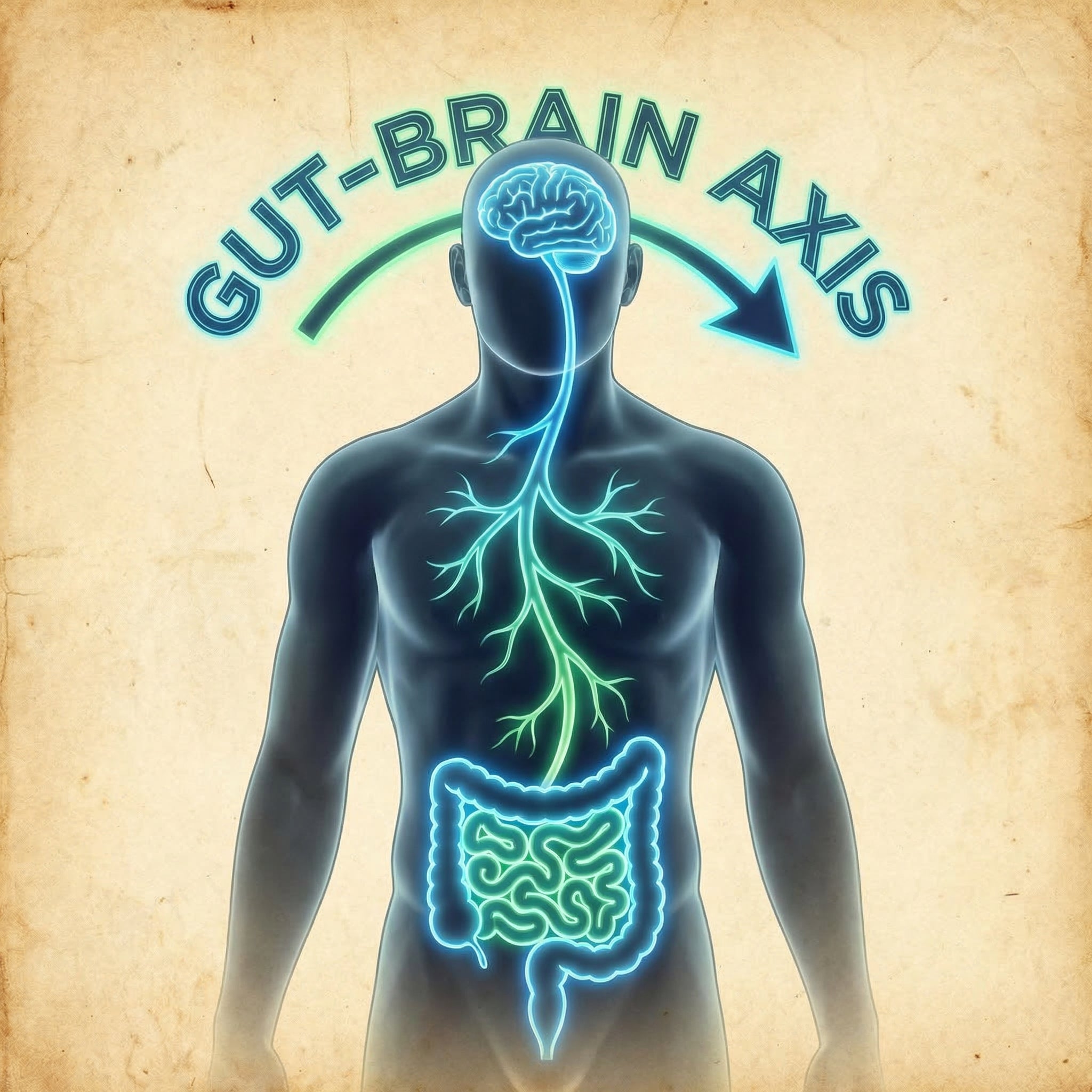
For most of modern medical history, the gut and the brain were treated as entirely separate domains. Gastroenterologists handled one end, neurologists the other, and the two rarely compared notes. That paradigm has been demolished by one of the most transformative discoveries in recent biomedical science: the gut-brain axis, a bidirectional communication network so extensive and so influential that the gastrointestinal tract is now routinely referred to as the "second brain."
Your gut contains approximately 500 million neurons, more than your spinal cord. It produces over 90 percent of the body's serotonin and roughly 50 percent of its dopamine. It houses trillions of microorganisms whose metabolic outputs directly influence brain function, immune regulation, and systemic inflammation. The health of your gut is not merely relevant to digestion. It is relevant to everything: mood, cognition, immune function, metabolic health, and even the risk of neurodegenerative disease.
This is the context in which lion's mane mushroom (Hericium erinaceus) becomes particularly interesting. While most attention on lion's mane focuses on its direct neurological effects, emerging research reveals that this remarkable fungus also exerts powerful effects on gut health, and that these gut-level benefits may be inseparable from its brain-level effects through the gut-brain axis.
Quick Answer
Lion's mane mushroom supports gut health through multiple mechanisms: its beta-glucan polysaccharides act as prebiotics that feed beneficial gut bacteria; its bioactive compounds demonstrate anti-inflammatory effects on intestinal tissue; and its unique erinacines may influence gut-brain axis signaling. Research has shown that lion's mane polysaccharides modulate the immune response through intestinal immune pathways. The combination of fruiting body (rich in beta-glucans) and pure liquid culture-grown mycelium (rich in erinacines) provides the most comprehensive gut-brain support.
The Gut-Brain Axis: Why Your Digestive System Controls More Than Digestion
The gut-brain axis is a bidirectional communication superhighway connecting the gastrointestinal tract to the central nervous system. It operates through four primary channels, each carrying an extraordinary volume of information between these two organ systems.
The Vagus Nerve
The vagus nerve is the longest cranial nerve in the body, running from the brainstem to the colon. It is the primary neural conduit between the gut and the brain, carrying both afferent signals (gut-to-brain) and efferent signals (brain-to-gut). Approximately 80 percent of vagal fibers are afferent, meaning the gut is sending far more information to the brain than the brain sends back. The vagus nerve transmits information about intestinal distension, nutrient content, inflammatory status, and microbial metabolites directly to the brainstem, where it is integrated into circuits governing mood, arousal, and cognitive function.
The Enteric Nervous System
The enteric nervous system (ENS) is a semi-autonomous network of neurons embedded in the gut wall. It contains roughly 500 million neurons organized into two major plexuses and is capable of operating independently of the brain, governing peristalsis, secretion, and local immune responses. The ENS communicates with the central nervous system through the vagus nerve and through spinal afferent pathways, making gut health directly relevant to brain function.
The Immune Pathway
Approximately 70 percent of the body's immune cells reside in the gut-associated lymphoid tissue (GALT). The immune system constantly surveys the intestinal environment, and its activation state, from quiescent tolerance to active inflammation, sends systemic signals that reach the brain. Pro-inflammatory cytokines produced by gut immune cells can cross the blood-brain barrier and influence neuroinflammation, mood, and cognitive function. This is one of the primary mechanisms through which gut health affects brain health.
Microbial Metabolites
The gut microbiome produces a vast array of metabolites that enter the bloodstream and reach the brain. Short-chain fatty acids (SCFAs) such as butyrate, propionate, and acetate are produced when gut bacteria ferment dietary fiber. These SCFAs influence blood-brain barrier integrity, neuroinflammation, and even neurotransmitter production. Gut bacteria also produce neurotransmitter precursors and modulators that directly affect brain chemistry.
How Lion's Mane Supports Gut Health: The Prebiotic Effect
One of the most significant ways lion's mane supports gut health is through its polysaccharide content, particularly beta-glucans. These complex carbohydrates are abundant in the fruiting body of lion's mane and act as prebiotics, selectively feeding beneficial bacteria in the gut microbiome.
Beta-Glucans as Prebiotic Fiber
Beta-glucans are polysaccharides composed of glucose monomers linked by beta-glycosidic bonds. Unlike the simple sugars and starches that are absorbed in the upper digestive tract, beta-glucans resist digestion by human enzymes and reach the large intestine intact. There, they serve as a fermentation substrate for beneficial gut bacteria, particularly species belonging to the genera Bifidobacterium, Lactobacillus, and butyrate-producing Firmicutes.
When these beneficial bacteria ferment beta-glucans, they produce short-chain fatty acids, particularly butyrate. Butyrate is the primary energy source for colonocytes (the cells lining the colon), and it plays a critical role in maintaining intestinal barrier integrity, reducing inflammation, and modulating the immune response. A gut environment rich in butyrate-producing bacteria is associated with reduced risk of inflammatory bowel disease, improved metabolic health, and better cognitive function through gut-brain axis signaling.
Friedman (2015), in a comprehensive review published in the Journal of Agricultural and Food Chemistry, documented the polysaccharide content of lion's mane and noted the range of bioactive properties these compounds exhibit, including prebiotic, immunomodulatory, and antioxidant effects. The polysaccharides in lion's mane are structurally diverse, which means they can support multiple species of beneficial bacteria rather than selectively feeding only one.
Microbiome Diversity and Resilience
A healthy gut microbiome is characterized by diversity, meaning a wide range of bacterial species coexisting in a balanced ecosystem. Reduced microbial diversity is associated with numerous conditions, including irritable bowel syndrome, inflammatory bowel disease, obesity, depression, and cognitive decline. By providing a prebiotic substrate that supports multiple beneficial species, lion's mane beta-glucans contribute to the kind of microbial diversity associated with robust gut and overall health.
Anti-Inflammatory Effects in the Gut
Chronic low-grade inflammation in the gut is one of the most damaging conditions affecting modern health. It compromises the intestinal barrier (contributing to "leaky gut"), disrupts the microbiome, impairs nutrient absorption, and sends pro-inflammatory signals through the gut-brain axis that affect mood and cognition. Lion's mane contains multiple compounds that address this inflammation through distinct mechanisms.
Polysaccharide-Mediated Immune Modulation
Sheng et al. (2017), publishing in the International Journal of Biological Macromolecules, demonstrated that polysaccharides derived from Hericium erinaceus exert immunomodulatory effects that are mediated through intestinal immune pathways. This research showed that lion's mane polysaccharides interact with immune cells in the gut-associated lymphoid tissue, modulating the immune response in a way that promotes balanced rather than excessive inflammatory signaling.
This finding is significant because it demonstrates that lion's mane does not simply suppress the immune system. Instead, it appears to help calibrate it, promoting appropriate immune responses while reducing the chronic, low-grade inflammation that damages intestinal tissue and compromises gut-brain axis function.
Cytoprotective Effects on Gastric and Intestinal Tissue
Research has shown that lion's mane extracts have protective effects on gastric and intestinal tissue. Studies have demonstrated that lion's mane can help protect against gastric mucosal damage and support the integrity of the intestinal lining. The polysaccharides and terpenoid compounds in lion's mane contribute to this cytoprotective effect through antioxidant activity and modulation of inflammatory mediators.
He et al. (2017), in their comprehensive review published in the International Journal of Medicinal Mushrooms, cataloged the extensive range of bioactive compounds in lion's mane and their documented biological activities, including anti-inflammatory, gastroprotective, and immunomodulatory properties. The breadth of bioactive compounds in lion's mane means its gut health benefits are multi-mechanistic rather than operating through a single pathway.
Intestinal Barrier Integrity
The intestinal barrier is a single layer of epithelial cells held together by tight junction proteins. When this barrier is compromised, a condition colloquially known as "leaky gut," bacterial endotoxins such as lipopolysaccharide (LPS) can cross into the bloodstream, triggering systemic inflammation that affects every organ system including the brain.
Lion's mane supports intestinal barrier integrity through multiple pathways. The butyrate produced by bacterial fermentation of lion's mane beta-glucans directly nourishes colonocytes and supports tight junction protein expression. The anti-inflammatory effects of lion's mane polysaccharides reduce the inflammatory damage that degrades the barrier in the first place. And the antioxidant compounds in lion's mane help protect barrier cells from oxidative stress.
The Gut-Brain Connection: How Gut Health Becomes Brain Health
The gut health benefits of lion's mane are not merely a secondary feature. They are directly connected to the neurological benefits for which lion's mane is best known. This connection operates through several well-characterized pathways.
Serotonin Production
Over 90 percent of the body's serotonin is produced in the gut by enterochromaffin cells. Serotonin in the gut regulates motility, secretion, and visceral sensation, but it also serves as a precursor for melatonin and influences mood and cognition through vagal afferent signaling. A healthy gut environment supports optimal serotonin production, while gut inflammation impairs it. By reducing gut inflammation and supporting the microbiome, lion's mane creates conditions favorable for healthy serotonin signaling.
Short-Chain Fatty Acid Signaling
The SCFAs produced when gut bacteria ferment lion's mane beta-glucans do not only benefit the gut. Butyrate, propionate, and acetate enter the systemic circulation and reach the brain, where they influence multiple processes. Butyrate has been shown to support blood-brain barrier integrity, reduce neuroinflammation, and even promote BDNF expression in the hippocampus. This means that the prebiotic effect of lion's mane on the gut microbiome has downstream consequences for the brain through SCFA production.
Immune-Mediated Gut-Brain Communication
The immunomodulatory effects demonstrated by Sheng et al. (2017) have direct relevance to brain health. When gut inflammation is reduced, the systemic production of pro-inflammatory cytokines decreases. This reduces the inflammatory burden on the brain, creating a more favorable environment for neuronal health, neuroplasticity, and neurotrophic factor production. In other words, the gut anti-inflammatory effects of lion's mane may actually amplify its direct NGF-stimulating effects in the brain by reducing the neuroinflammation that suppresses NGF signaling.
Erinacines and the Gut-Brain Axis
The erinacines found in lion's mane mycelium are absorbed through the gastrointestinal tract before reaching the brain. Erinacine A, the most studied of these compounds, is a lipophilic molecule that crosses the blood-brain barrier after oral administration. The gut therefore serves as the entry point for erinacine A's journey to the brain, and the health of the gastrointestinal environment may influence how effectively these compounds are absorbed.
Research by Ma et al. (2010) established that hericenones and erinacines stimulate NGF biosynthesis, with erinacine A being particularly potent. The pathway from oral ingestion through gut absorption to brain activity underscores why gut health is not separate from the neurological benefits of lion's mane. A healthy gut with an intact intestinal barrier and balanced microbiome may provide superior absorption of the very compounds that deliver lion's mane's neurotrophic effects.
Lion's Mane for Specific Gut Health Concerns
Digestive Discomfort and Gastroprotection
Traditional use of lion's mane in East Asian medicine has long included support for digestive health. Modern research has begun to validate these traditional applications, demonstrating that lion's mane extracts can help protect gastric mucosal tissue and support healthy digestive function. The anti-inflammatory and cytoprotective properties documented in the scientific literature align with the traditional uses that positioned lion's mane as a digestive tonic.
Supporting the Microbiome After Antibiotics
Antibiotic treatment, while often necessary, can devastate the gut microbiome. Recovery of microbial diversity after antibiotics can take weeks to months. The prebiotic beta-glucans in lion's mane can support microbiome recovery by selectively feeding beneficial bacterial species and promoting the production of SCFAs that create a favorable environment for recolonization by diverse microbial communities.
Stress-Related Digestive Issues
Chronic stress affects the gut through the brain-gut axis (the top-down direction of gut-brain communication). Cortisol and sympathetic nervous system activation alter gut motility, increase intestinal permeability, shift the microbiome toward less favorable compositions, and promote gut inflammation. Lion's mane addresses this pattern from both directions: its NGF and BDNF-stimulating effects support healthy stress response in the brain (as demonstrated by Nagano et al. (2010) in Biomedical Research), while its prebiotic and anti-inflammatory effects support gut resilience against the downstream consequences of stress.
Why Supplement Quality Matters Even More for Gut Health
The gut health benefits of lion's mane depend on the presence of specific compounds at adequate concentrations. And the quality issues that plague the lion's mane supplement market are, if anything, even more relevant for gut health than for purely neurological applications.
Fruiting Body: The Source of Beta-Glucans
The prebiotic beta-glucans that feed beneficial gut bacteria are concentrated in the fruiting body of lion's mane. Supplements that contain only mycelium, especially grain-grown mycelium, may provide inadequate beta-glucan content. The grain starch in these products is not equivalent to mushroom-derived beta-glucans. Grain starch is rapidly digested in the upper digestive tract and does not reach the colon to serve as a prebiotic substrate. The 35 to 40 percent grain starch content in grain-grown mycelium products is, from a gut health perspective, essentially filler that provides no prebiotic benefit.
Mycelium: The Source of Erinacines for Gut-Brain Axis Support
For the gut-brain axis benefits of lion's mane, including the absorption and brain delivery of erinacine A, the mycelium component is essential. But as with neurological applications, the cultivation method determines the concentration of active compounds. Li et al. (2018) documented that liquid culture methods produce substantially higher concentrations of erinacine A compared to grain-grown alternatives. Pure liquid culture mycelium provides these compounds without the grain starch contamination that dilutes potency.
The Complete Approach
For comprehensive gut health support, the optimal lion's mane supplement combines fruiting body extract (providing beta-glucans for prebiotic activity and polysaccharides for immune modulation) with pure mycelium grown via liquid culture (providing erinacines for gut-brain axis support and additional bioactive compounds for anti-inflammatory activity).
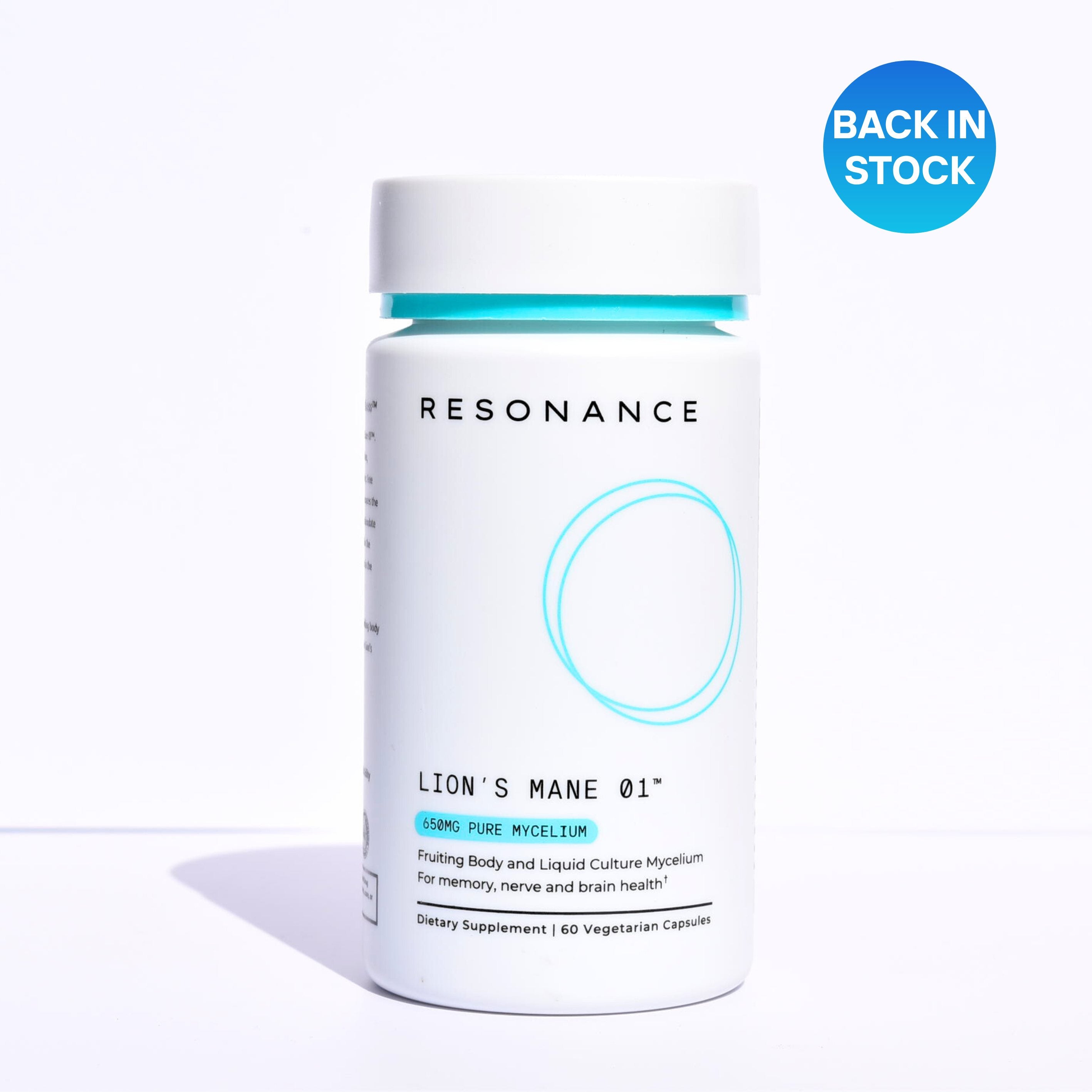
Lion's Mane 01 from Resonance Health is the only lion's mane supplement that combines fruiting body extract with pure liquid culture-grown mycelium. This formulation provides the full spectrum of compounds relevant to gut health: the prebiotic beta-glucans from the fruiting body, the immunomodulatory polysaccharides documented by Sheng et al. (2017), and the erinacines from pure mycelium that support gut-brain axis function. There is no grain starch filler competing for space with active compounds.
Practical Recommendations for Gut Health Support
Consistency matters: The prebiotic effects of lion's mane on the microbiome are cumulative. Regular daily intake provides a consistent supply of beta-glucans for beneficial gut bacteria, promoting a stable shift in microbial composition over time. Sporadic use does not provide the sustained prebiotic stimulus needed for meaningful microbiome modulation.
Combine with dietary fiber: Lion's mane beta-glucans work synergistically with other dietary fibers to support microbiome diversity. A diet rich in varied fiber sources, including vegetables, fruits, legumes, and whole grains, provides multiple prebiotic substrates that support different beneficial bacterial populations. Lion's mane adds a unique beta-glucan profile that complements these other fiber types.
Address multiple pathways: For optimal gut-brain axis health, combine lion's mane supplementation with other evidence-based practices: regular physical activity (which independently improves microbiome diversity), stress management (which reduces cortisol-mediated gut damage), adequate sleep (which supports gut immune function), and a diet rich in polyphenols from colorful plant foods (which have their own prebiotic and anti-inflammatory effects).
Be patient: Meaningful changes to the gut microbiome develop over weeks, not days. The immunomodulatory and anti-inflammatory effects similarly require time to manifest. Clinical studies on gut-relevant outcomes typically run for four to twelve weeks before assessing results. Expect a gradual improvement in digestive comfort and overall well-being rather than immediate changes.
Safety Considerations
Lion's mane has an extensive safety record both as a traditional food and in modern clinical research. Friedman (2015) reviewed the complete safety literature and confirmed the mushroom's favorable safety profile. Clinical trials by Mori et al. (2009), Nagano et al. (2010), and others reported no significant adverse effects. Some individuals experience mild gastrointestinal changes when beginning supplementation, which typically resolve within a few days as the gut adapts. These changes may actually reflect the prebiotic effects of beta-glucans as the microbiome adjusts to the new substrate. Individuals with mushroom allergies, inflammatory bowel disease, or other gastrointestinal conditions should consult their healthcare provider before beginning supplementation. Those taking immunosuppressive medications should also seek medical guidance, given lion's mane's immunomodulatory properties.
Frequently Asked Questions
Is lion's mane good for gut health?
Yes. Lion's mane supports gut health through multiple mechanisms. Its beta-glucan polysaccharides act as prebiotics, feeding beneficial gut bacteria and promoting the production of butyrate and other short-chain fatty acids that nourish the intestinal lining. Research by Sheng et al. (2017) demonstrated that lion's mane polysaccharides have immunomodulatory effects mediated through intestinal immune pathways. The anti-inflammatory and cytoprotective properties of lion's mane compounds further support digestive health and intestinal barrier integrity.
How does lion's mane affect the gut microbiome?
Lion's mane beta-glucans serve as a prebiotic substrate for beneficial gut bacteria. Unlike simple starches that are digested in the upper digestive tract, these complex polysaccharides reach the colon intact and are fermented by beneficial species including Bifidobacterium and butyrate-producing bacteria. This fermentation produces short-chain fatty acids that nourish colonocytes, reduce inflammation, and support microbiome diversity. The structural diversity of lion's mane polysaccharides means they can support multiple beneficial bacterial populations simultaneously.
Can lion's mane help with leaky gut?
Lion's mane addresses intestinal barrier integrity through multiple pathways. The butyrate produced by bacterial fermentation of lion's mane beta-glucans supports tight junction protein expression in the intestinal epithelium. The anti-inflammatory compounds in lion's mane reduce the inflammatory damage that degrades the intestinal barrier. And the antioxidant properties of lion's mane protect barrier cells from oxidative stress. While no clinical trial has specifically studied lion's mane for intestinal permeability in humans, the mechanistic evidence supports its potential for barrier support.
Does lion's mane help with bloating and digestive discomfort?
Traditional use of lion's mane in East Asian medicine includes applications for digestive comfort, and modern research supports the gastroprotective and anti-inflammatory properties that would underlie such effects. The prebiotic beta-glucans may improve digestive function by supporting a healthy microbiome. However, some individuals may experience temporary mild digestive changes when first beginning supplementation, as the microbiome adjusts to the new prebiotic substrate. These typically resolve within a few days.
What is the gut-brain axis and how does lion's mane affect it?
The gut-brain axis is a bidirectional communication network connecting the gastrointestinal tract to the central nervous system through the vagus nerve, the immune system, the enteric nervous system, and microbial metabolites. Lion's mane affects this axis from both ends: in the gut, it provides prebiotic support, reduces inflammation, and modulates immune signaling; in the brain, its erinacines stimulate NGF and BDNF production. The gut-level benefits create an environment that supports optimal absorption of the erinacines that deliver the brain-level benefits.
Should I take lion's mane fruiting body or mycelium for gut health?
Both components contribute to gut health through different mechanisms. The fruiting body is rich in beta-glucans that provide the primary prebiotic activity, feeding beneficial gut bacteria and supporting microbiome diversity. The mycelium provides erinacines that support gut-brain axis function, as well as additional bioactive compounds with anti-inflammatory properties. For comprehensive gut health support, a supplement combining both fruiting body and pure liquid culture-grown mycelium delivers the complete range of relevant compounds.
How long does it take for lion's mane to improve gut health?
Microbiome changes in response to prebiotic supplementation typically become measurable within two to four weeks of consistent daily intake. Anti-inflammatory effects may take a similar timeframe to manifest. The full integration of improved gut health with gut-brain axis signaling, including the downstream cognitive and mood benefits, may take four to eight weeks or longer. Consistent daily supplementation is more important than high-dose sporadic use for achieving meaningful gut health changes.
Can lion's mane replace probiotics?
Lion's mane and probiotics work through different but complementary mechanisms. Probiotics introduce specific beneficial bacterial strains into the gut, while lion's mane provides prebiotic substrates that feed the beneficial bacteria already present in your microbiome (including any probiotics you take). In practice, combining lion's mane with quality probiotics may provide synergistic benefits, as the prebiotics help the probiotic organisms establish and thrive in the gut environment.
Sources
- Sheng, X., Yan, J., Meng, Y., et al. (2017). Immunomodulatory effects of Hericium erinaceus derived polysaccharides are mediated by intestinal immunology. International Journal of Biological Macromolecules, 104, 1171-1178.
- Friedman, M. (2015). Chemistry, nutrition, and health-promoting properties of Hericium erinaceus (lion's mane) mushroom fruiting bodies and mycelia and their bioactive compounds. Journal of Agricultural and Food Chemistry, 63(32), 7108-7123. DOI: 10.1021/acs.jafc.5b02914
- He, X., Wang, X., Fang, J., et al. (2017). Structures, biological activities, and industrial applications of the polysaccharides from Hericium erinaceus (lion's mane) mushroom: A review. International Journal of Medicinal Mushrooms, 19(5), 407-422.
- Ma, B.J., Shen, J.W., Yu, H.Y., et al. (2010). Hericenones and erinacines: stimulators of nerve growth factor (NGF) biosynthesis in Hericium erinaceus. Mycology, 1(2), 92-98. DOI: 10.1080/21501201003735556
- Li, I.C., Lee, L.Y., Tzeng, T.T., et al. (2018). Neurohealth properties of Hericium erinaceus mycelia enriched with erinacines. Behavioural Neurology, 2018, 5802634. DOI: 10.1155/2018/5802634
- Nagano, M., Shimizu, K., Kondo, R., et al. (2010). Reduction of depression and anxiety by 4 weeks Hericium erinaceus intake. Biomedical Research, 31(4), 231-237. DOI: 10.2220/biomedres.31.231
- Mori, K., Inatomi, S., Ouchi, K., et al. (2009). Improving effects of the mushroom Yamabushitake (Hericium erinaceus) on mild cognitive impairment: a double-blind placebo-controlled clinical trial. Phytotherapy Research, 23(3), 367-372. DOI: 10.1002/ptr.2634
- Lai, P.L., Naidu, M., Sabaratnam, V., et al. (2013). Neurotrophic properties of the lion's mane medicinal mushroom, Hericium erinaceus. BMC Complementary and Alternative Medicine, 13, 253. DOI: 10.1186/1472-6882-13-253
- Kawagishi, H., Shimada, A., Shirai, R., et al. (1994). Erinacines A, B, and C, strong stimulators of nerve growth factor (NGF)-synthesis, from the mycelia of Hericium erinaceum. Tetrahedron Letters, 35(10), 1569-1572.
- Tsai-Teng, T., Chin-Chu, C., Li-Ya, L., et al. (2016). Erinacine A-enriched Hericium erinaceus mycelium ameliorates Alzheimer's disease-related pathologies in APPswe/PS1dE9 transgenic mice. Journal of Biomedical Science, 23(1), 49. DOI: 10.1186/s12929-016-0266-z
- Docherty, S., Doughty, F.L., Smith, E.F. (2023). The acute and chronic effects of lion's mane mushroom supplementation on cognitive function, stress and mood in young adults: A double-blind, parallel groups, pilot study. Nutrients, 15(22), 4842. DOI: 10.3390/nu15224842
- Chiu, C.H., Chyau, C.C., Chen, C.C., et al. (2018). Erinacine A-enriched Hericium erinaceus mycelium produces antidepressant-like effects through modulating BDNF/PI3K/Akt/GSK-3beta signaling in mice. Journal of Clinical Psychopharmacology, 38(5), 458-464.
- Ratto, D., Corana, F., Mannucci, B., et al. (2019). Hericium erinaceus improves recognition memory and induces hippocampal and cerebellar neurogenesis in frail elderly during a double-blind, placebo-controlled clinical trial. Evidence-Based Complementary and Alternative Medicine, 2019, 3069254.
- Wong, K.H., Naidu, M., David, R.P., et al. (2012). Neuroregenerative potential of lion's mane mushroom, Hericium erinaceus (Bull.: Fr.) Pers. (higher Basidiomycetes), in the treatment of peripheral nerve injury. Journal of Medicinal Food, 15(12), 1060-1073.
- Saitsu, Y., Nishide, A., Kikushima, K., et al. (2019). Improvement of cognitive functions by oral intake of Hericium erinaceus. Aging, 11(4), 1142-1154.
- Lee, K.F., Chen, J.H., Teng, C.C., et al. (2014). Protective effects of Hericium erinaceus mycelium and its isolated erinacine A against ischemia-injury-induced neuronal cell death via the inhibition of iNOS/p38 MAPK and nitrotyrosine. Evidence-Based Complementary and Alternative Medicine, 2014.
*These statements have not been evaluated by the Food and Drug Administration. This product is not intended to diagnose, treat, cure, or prevent any disease. Always consult with a qualified healthcare professional before starting any new supplement regimen.


Share:
Lion's Mane vs. Synthetic Nootropics: Why Natural Brain Support Wins
Lion's Mane and Anxiety: What Clinical Research Reveals