

Lion's Mane and Memory: What the Research Actually Says
If you've noticed names slipping, walking into a room and forgetting why, or rereading the same paragraph twice, you're not imagining it — and you're not alone. Somewhere in our mid-forties, most of us start to feel a subtle shift in how sharp our thinking feels. That's what sends so many people searching for lion's mane.
So let's do something the supplement aisle rarely does: look at what the research genuinely supports, and where the honest question marks still are.
What lion's mane is
Lion's mane (Hericium erinaceus) is an edible mushroom that's been used in traditional East Asian wellness practices for centuries. What's made scientists pay attention in the last two decades isn't tradition, though — it's a specific group of compounds the mushroom produces.
The memory connection: nerve growth factor
Most brain supplements work on the symptoms of mental fog — they nudge alertness or circulation. Lion's mane is studied for something more upstream: its potential influence on nerve growth factor (NGF), a protein your brain uses to maintain and form healthy neurons.
The thinking is that by supporting NGF activity, lion's mane may support the brain's own maintenance systems — the housekeeping that keeps memory and recall running smoothly. It's a "support the soil, not just water the plant" approach.
What the studies show — honestly
A frequently cited 2009 Japanese study found that older adults with mild cognitive complaints who took lion's mane scored better on a cognitive function scale than a placebo group — but the improvement faded after they stopped. A handful of smaller human trials since have pointed in encouraging directions for memory, mood, and focus.
Here's the honest part: most of this research is early. Sample sizes are small, study lengths are short, and much of the deeper mechanistic work has been done in labs rather than large human trials. Lion's mane is genuinely promising — but it's not a settled, proven memory drug, and any source telling you otherwise is overselling.
The timeline most people get wrong
The single biggest mistake people make with lion's mane is expecting an espresso-shot effect. It doesn't work that way. The compounds are studied for cumulative support — most people in research contexts take it consistently for 8 to 12 weeks before evaluating any change. If you try it for five days and feel nothing, that's not a failure; that's just not how it's meant to work.
What to look for in a lion's mane supplement
Not all lion's mane is equal — and this is where most products quietly fall short:
- Extract type matters. Look for products that use both the fruiting body and mycelium, since the beneficial compounds concentrate differently in each part.
- Verified active compounds. The best products test for and disclose their levels of specific actives like erinacine A, rather than just listing "lion's mane extract."
- Third-party testing. A certificate of analysis (COA) tells you what's actually in the bottle.
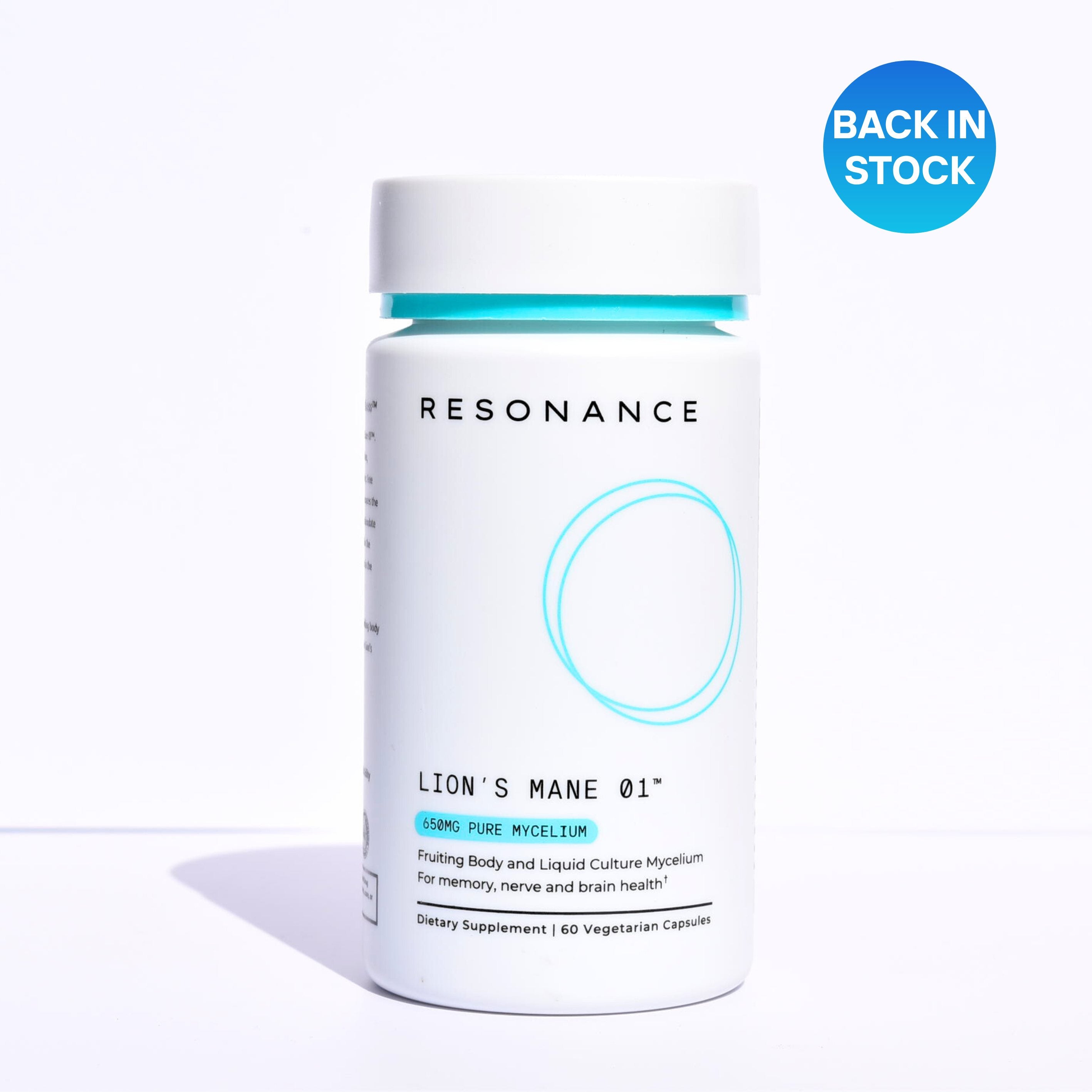
This is the standard we built Lion's Mane 01™ around — a dual extract with verified erinacine A content and published batch testing — precisely because so much of the category is vague about what's inside.
The bottom line
Lion's mane is one of the more scientifically interesting options for people who want to support memory and focus as they age. The research is early but encouraging, the mechanism is genuinely different from typical stimulant-style products, and the safety profile is good. Give it a real 90 days, choose a product that proves what's inside, and set expectations around gradual support rather than an overnight switch.
This article is for educational purposes and is not medical advice. Talk to your doctor before starting any supplement, especially if you take medication or have a health condition.



Share:
Lion's Mane for Athletes: Recovery, Endurance, and Cognitive Performance
How to Improve Focus and Concentration Naturally: 9 Evidence-Based Habits