
How to Improve Focus and Concentration Naturally: 9 Evidence-Based Habits
Focus isn't a personality trait you're born with or without. It's closer to a muscle — shaped by your sleep, your blood sugar, your stress, your environment, and yes, a few specific nutrients. If your attention feels more scattered than it used to, here are nine natural levers that actually move the needle, ordered roughly by impact.
1. Fix your sleep first — everything else is downstream
Nothing destroys concentration faster than poor sleep, and nothing restores it more reliably than fixing it. During deep sleep your brain literally clears metabolic waste. Aim for 7–9 hours, keep a consistent wake time, and get morning light in your eyes within an hour of waking to anchor your rhythm.
2. Stabilize your blood sugar
The mid-afternoon fog is often a glucose crash. Pairing carbs with protein and fat, and not skipping meals, keeps your brain's fuel supply steady. The crash-and-spike cycle is a focus killer hiding in plain sight.
3. Move your body daily
Exercise increases blood flow to the brain and stimulates the same growth factors involved in learning and memory. You don't need a marathon — a brisk 20–30 minute walk has measurable cognitive benefits, and doing it outdoors stacks a nature effect on top.
4. Train single-tasking
Multitasking is a myth; what actually happens is rapid, costly task-switching that fragments attention. Try working in focused blocks (the 25-minute Pomodoro method is popular for a reason) with your phone in another room. Attention is trainable, and constant switching trains the opposite.
5. Hydrate
Even mild dehydration measurably reduces concentration and reaction time. If your focus dips, water is the cheapest first thing to rule out.
6. Manage stress deliberately
Chronic stress floods the brain with cortisol, which impairs the prefrontal cortex — exactly the region you need for focus. Ten minutes of breathing, meditation, or even a walk without your phone lowers the noise floor so attention can return.
7. Feed your brain the right fats
Omega-3 fatty acids (found in fatty fish, walnuts, flax) are structural building blocks for brain cells. A diet chronically low in them is associated with poorer cognitive performance.
8. Cut the obvious saboteurs
Too much caffeine late in the day wrecks the sleep that powers focus. Alcohol fragments it. And doom-scrolling trains your brain to crave novelty over sustained attention. You don't have to be perfect — just notice the biggest offender and pull back.
9. Consider a nootropic with real evidence behind it
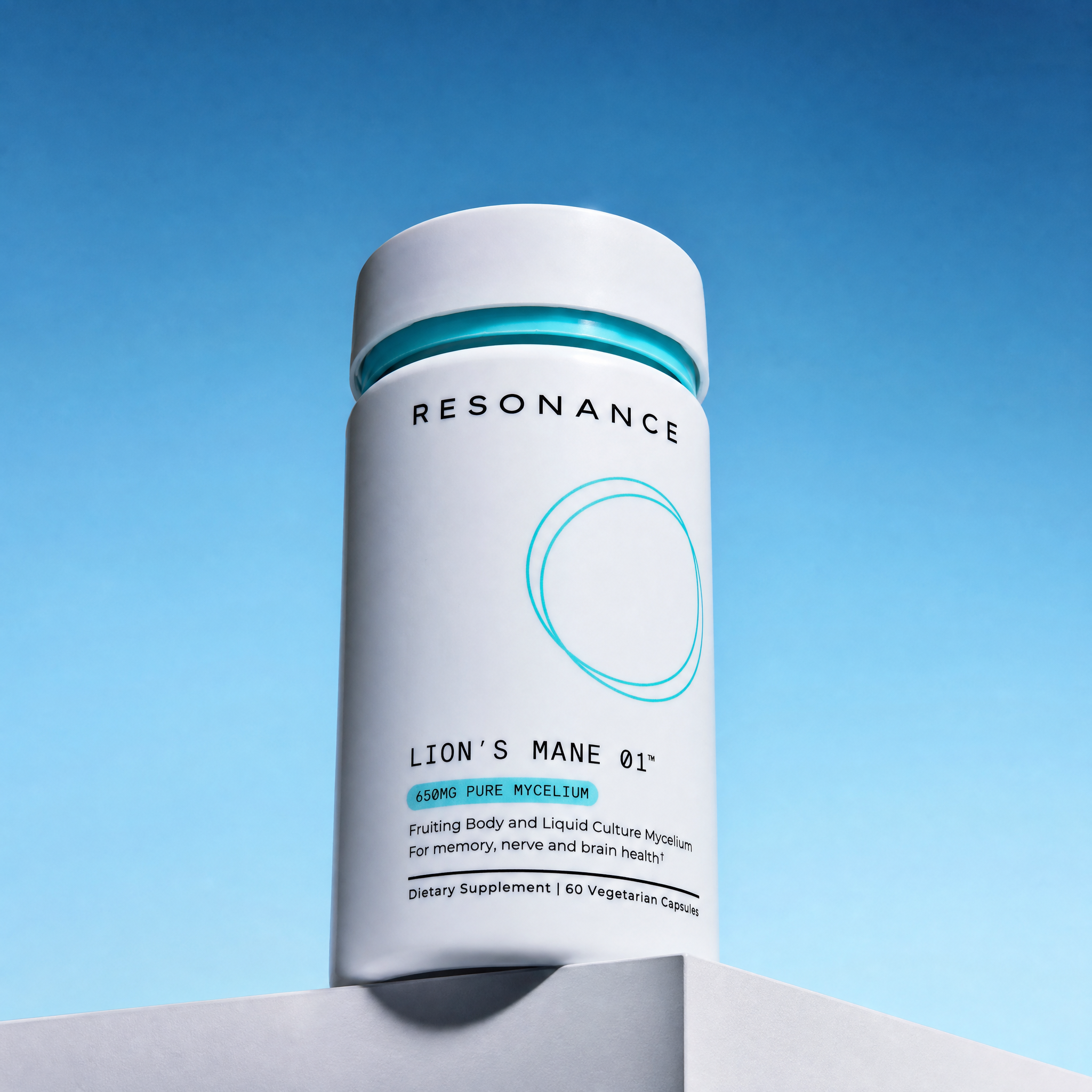
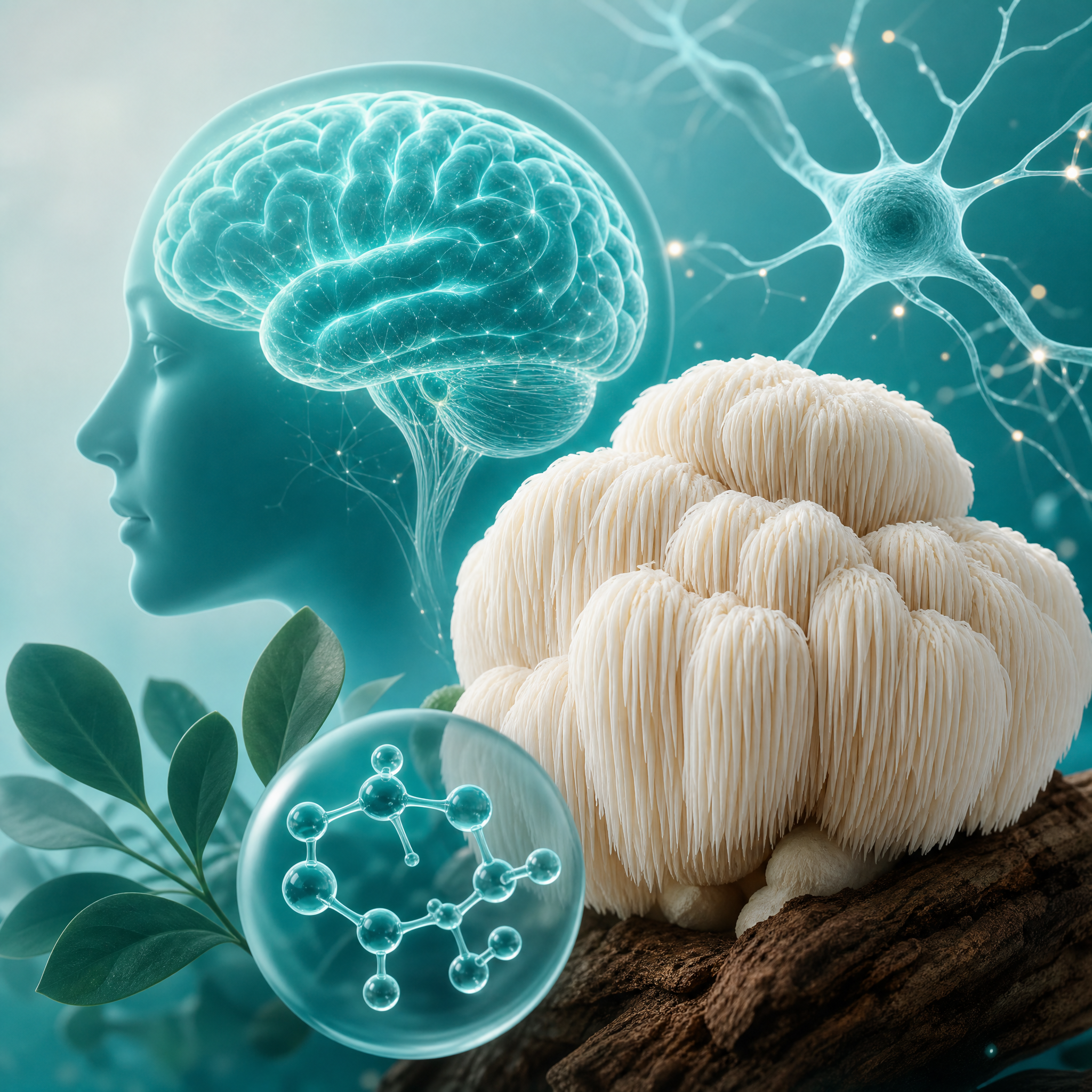
This is where supplements can play a supporting role — emphasis on supporting. Among the natural options, lion's mane mushroom stands out because it's studied for a genuinely different mechanism: rather than stimulating you like caffeine, its compounds are researched for supporting nerve growth factor, part of your brain's own maintenance system.
It's not a magic pill, and it works gradually over weeks rather than minutes. But for people who want to support focus from the foundation up — not just paper over fatigue with stimulants — it's one of the more scientifically interesting choices. (We go deep on the mechanism in our guide to lion's mane and memory, and it's the basis for our Lion's Mane 01™.)
Putting it together
You don't need all nine at once. Stack them in order: sleep, then blood sugar, then movement. Those three alone resolve most everyday focus problems. The rest — including a well-formulated nootropic — are amplifiers on a solid foundation, not substitutes for it.
This article is for educational purposes and is not medical advice.



Share:
Lion's Mane and Memory: What the Research Actually Says (2026)
What Is Erinacine A? The Lion's Mane Compound Scientists Are Watching