

Struggling to find focus during busy workdays or worried about staying mentally sharp as you get older is a common concern for many adults. For those curious about natural ways to support brain health, setting clear goals is the first step. Research shows that nutritional supplements support memory enhancement, attention improvement, and executive function—areas closely tied to everyday performance and long-term well-being. Understanding exactly what you want from a supplement helps you make informed, confident choices as you optimize your mental clarity.
Table of Contents
Quick Summary
| Key Insight | Explanation |
| 1. Define Your Cognitive Goals | Identify specific, measurable outcomes to guide your supplement choice effectively. |
| 2. Research Supplement Quality | Investigate bioactive compounds and extraction methods to ensure you purchase an effective product. |
| 3. Check Third-Party Testing | Look for independent certifications to verify the potency and purity of the supplement you choose. |
| 4. Prioritize Transparency | Select brands that openly share their manufacturing practices and test results for trustworthiness. |
| 5. Carefully Compare Products | Evaluate multiple brands based on potency, formulation, and price to make an informed purchasing decision. |
Step 1: Assess your cognitive support goals
Before you choose any supplement, you need to know what you’re actually trying to accomplish. This isn’t about vague wishes like “I want to be smarter.” You’re looking for specific, measurable outcomes that matter to your daily life. Are you struggling to remember names and faces at social events? Do you find your attention drifting during important meetings or while reading? Is your concern more about slowing cognitive decline as you age, or do you want to sharpen your mental performance right now? The clearer your goals, the better equipped you are to select a supplement that truly addresses your needs.
Start by identifying which cognitive domains matter most to you. Research shows that nutritional supplements support memory enhancement, attention improvement, and executive function, among other benefits. Memory breaks down into different categories: short-term recall, long-term retention, and working memory. Attention spans multiple types too, from sustained focus during repetitive tasks to selective attention in distracting environments. Executive function covers planning, decision-making, and mental flexibility. Ask yourself which of these resonates with your situation. Maybe you’re a software developer who needs sharper problem-solving abilities. Perhaps you’re managing a household and family, and you need better organizational thinking. Or you could be concerned about maintaining cognitive vitality as you progress through your 40s and beyond. Whatever your specific circumstances, acknowledge them honestly.
Once you’ve identified your primary cognitive goal, consider your underlying reason for pursuing it. Are you addressing a diagnosed cognitive concern, or are you being proactive about brain health? Setting clear cognitive goals helps you choose supplements tailored to your personal health needs, especially when facing mild cognitive changes. Your motivation shapes everything that follows, from which supplement features matter most to how you’ll measure success over time. Someone focused on neuroprotection and long-term brain health might prioritize different supplement qualities than someone seeking immediate focus enhancement. Write down your top cognitive goal in one simple sentence. This becomes your decision filter for every step that follows.
Pro tip: _Create a baseline measurement before starting any supplement regimen by tracking one specific cognitive task for one week. This could be the number of items you remember from a shopping list, your reading retention on work documents, or how long you stay focused before needing a break. This real-world baseline lets you objectively assess whether your chosen supplement is actually making a difference for your brain.
Step 2: Research potency and formulation details
Not all Lion’s Mane supplements are created equal. The difference between a mediocre product and a truly effective one often comes down to what’s actually inside the bottle and how it was made. This step teaches you to read past marketing claims and understand the science behind formulation quality. You’ll learn which bioactive compounds matter most, how extraction methods affect potency, and what numbers on a label actually tell you about a product’s effectiveness.
Lion’s Mane contains several key bioactive compounds that drive its cognitive benefits. Polysaccharides, hericenones, and erinacines contribute to neuroprotective effects, but these compounds exist in different concentrations depending on which part of the mushroom is used and how it’s processed. Here’s where it gets practical: fruiting body extracts tend to be rich in hericenones, while mycelium extracts concentrate erinacines. This matters because different compounds may support different cognitive outcomes. When you’re evaluating a supplement, look for the extraction source clearly labeled on the packaging. If the label doesn’t specify whether you’re getting fruiting body or mycelium, that’s a red flag. A quality supplier will be transparent about this choice because it directly affects what you’re putting in your body.
Here’s how key bioactive compounds and extraction sources in Lion’s Mane supplements affect cognitive benefits:
| Bioactive Compound | Main Source | Cognitive Benefit Focus |
| Hericenones | Fruiting body | Memory enhancement |
| Erinacines | Mycelium | Executive function |
| Polysaccharides | Both | Overall neuroprotection |
| Beta-glucans | Fruiting body | Immune and brain health |
Extraction methods also dramatically impact how effectively your body can actually use these compounds. High-quality Lion’s Mane supplements use fruiting body extracts standardized for beta-glucans and employ dual extraction methods with alcohol and water to enhance bioavailability. This dual extraction approach breaks down cell walls and extracts both water-soluble and alcohol-soluble compounds, giving you access to a broader spectrum of benefits. When comparing products, look for specific standardization percentages. Beta-glucans should typically range from 15 to 40 percent for potent fruiting body extracts. Be wary of mycelium-on-grain products, which are often bulked up with starch fillers that dilute the actual active compound concentration. This distinction is crucial because a product that looks similar on the shelf might contain significantly less of the compounds you’re actually paying for. Check whether the supplement uses whole fruiting body or mycelium, whether it’s been standardized for active compounds, and what extraction method was employed.
Read the supplement facts label like you’re decoding a recipe. Look for the serving size, the amount of Lion’s Mane per serving, and any standardization claims. A bottle might say it contains Lion’s Mane, but if there’s no standardization percentage listed, you don’t really know how potent it is. Compare products side by side using these metrics. Pay attention to third-party testing certifications, which indicate that an independent lab has verified the potency claims. This extra verification layer separates manufacturers who stand behind their products from those making vague marketing promises. The best supplements often cost more because quality sourcing, proper extraction, and third-party testing all add up. View it as an investment in efficacy rather than just another expense.
Pro tip: Request a Certificate of Analysis from the manufacturer before purchasing. This document from third-party testing labs shows exactly what bioactive compounds are present and in what concentrations, cutting through marketing language and giving you the hard facts about potency.
Step 3: Verify quality through third-party testing
Third-party testing is your insurance policy against false claims and substandard products. This step shows you how to identify which certifications actually matter, what to look for on a label, and how to verify that a Lion’s Mane supplement contains exactly what the manufacturer promises. You’re not just checking that a product exists; you’re confirming it meets rigorous quality standards that independent labs have verified.
When you’re evaluating a Lion’s Mane supplement, look for certifications from organizations that conduct actual laboratory testing. GMP certification indicates the manufacturer follows Good Manufacturing Practices, meaning their facility maintains strict quality control standards throughout production. NSF International and USP (United States Pharmacopeia) testing go further by independently analyzing the actual product contents to verify potency claims match what’s inside the bottle. These third-party certifications matter because they represent an external verification that cuts through marketing language. A company can claim anything on their website, but when an independent laboratory tests their product and certifies it meets specific standards, that’s meaningful assurance. Look at the product packaging and website for these certification logos. If they’re conspicuously absent, ask yourself why. Reputable manufacturers proudly display their certifications because they represent real investment in quality.
Understand what each certification actually tests. GMP focuses on manufacturing processes and facility cleanliness, which prevents contamination and ensures consistent quality. NSF and USP certifications go deeper by testing the finished product itself, confirming that the amount of bioactive compounds listed on the label actually exists in the bottle. This distinction is critical because a supplement could be manufactured in a clean facility but still contain less of the active ingredient than advertised. When researching a product, visit the certifying organization’s website directly to verify the certification is current and legitimate. Many companies list certifications that have expired or aren’t actually held, so independent verification protects you. Look for batch testing information too; quality manufacturers often test each batch and make results available through a Certificate of Analysis. This document shows specific compound concentrations and confirms the product meets purity standards, free from heavy metals, microbial contaminants, or unwanted fillers.
This table summarizes core third-party certifications and their unique roles:
| Certification | Verifies | Added Value |
| GMP | Production process | Ensures manufacturing quality |
| NSF | Product content | Confirms ingredient accuracy |
| USP | Product content | Verifies label claims |
| Certificate of Analysis | Each product batch | Discloses bioactive levels |
Don’t assume all third-party testing is equal. Testing conducted by the manufacturer’s chosen lab carries less weight than testing by a truly independent organization. The gold standard involves multiple independent labs confirming results. When comparing products, prioritize those with transparent testing information readily available on their website or through direct request. Some manufacturers make you jump through hoops to access these documents, while others feature them prominently because they’re proud of the results. That transparency difference tells you something about their confidence in their product. Check customer reviews for mentions of testing and certifications, but remember that reviews alone shouldn’t be your only source. Combine what you read from real users with the objective data provided by third-party testing. This two-pronged approach gives you both real-world feedback and laboratory verification, creating a complete picture of product quality.
Pro tip: Contact the manufacturer directly and request their most recent Certificate of Analysis before making a purchase. Most quality companies respond within 24 to 48 hours with detailed testing documentation, and their willingness to quickly provide this information speaks volumes about their transparency and confidence in their product.
Step 4: Compare manufacturing transparency and certifications
Transparency is the hallmark of a supplement company you can trust. This step walks you through evaluating how openly manufacturers share their processes, test results, and quality standards. You’re looking for companies that have nothing to hide, ones that make it easy for you to verify their claims and understand exactly what goes into their products.
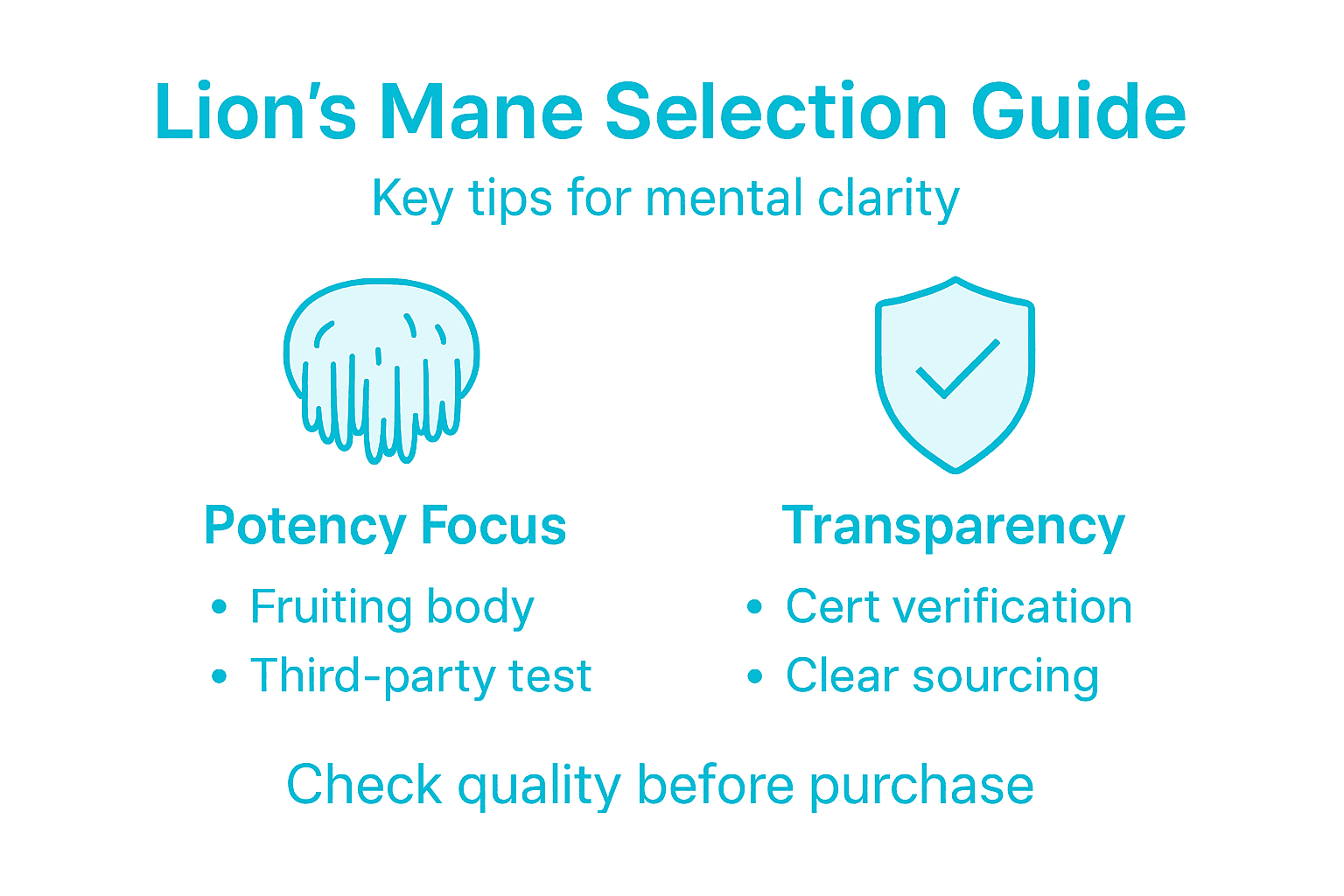
Start by visiting a manufacturer’s website and looking for their transparency practices. Does the company prominently display certifications, or do you have to dig through multiple pages to find them? Can you easily access information about their sourcing, extraction methods, and quality control procedures? A company committed to transparency makes this information readily available because they understand that informed customers are confident customers. Comprehensive transparency includes accessible Certificates of Analysis detailing bioactive compound levels and contamination testing for each batch, which demonstrates commitment to product integrity and regulatory compliance. If a manufacturer makes you request this information or claims they can’t share it due to proprietary concerns, that’s a significant warning sign. Quality manufacturers understand that sharing test results actually builds trust rather than undermining it. Look for companies that publish lab results on their website without requiring you to ask. This openness signals they’re proud of their product and confident in their quality standards.
Compare at least two to three manufacturers side by side using transparency as one of your criteria. Create a simple comparison by visiting their websites and noting what information they voluntarily provide. Does one company show detailed sourcing information while another keeps it vague? Does one manufacturer list their extraction methods while another stays silent? These differences reveal important distinctions in their commitment to transparency. Check how readily available their certifications are. Some companies feature GMP and third-party testing badges prominently on their homepage, while others bury this information or don’t mention it at all. The ease with which you can find verification information speaks volumes about their confidence in their products. Also notice how they communicate about their manufacturing process. Do they explain why they chose certain methods? Do they acknowledge potential concerns and address them directly? Companies that communicate transparently about their manufacturing tend to be more honest about their limitations and more committed to continuous improvement.
Look beyond the website and check what customers and industry reviewers say about each manufacturer’s transparency. Search for customer service reviews specifically mentioning how quickly and thoroughly companies respond to questions about testing or manufacturing. A reputable company typically responds to customer inquiries within 24 hours with detailed information. Notice whether they proactively educate consumers about what to look for in quality supplements, or whether they only focus on selling their specific product. Companies invested in consumer education often provide more detailed transparency because they want customers to make informed choices. Read through their FAQ sections and educational content. Do they explain the difference between fruiting body and mycelium extracts? Do they discuss standardization percentages and bioavailability? This educational content signals a company that respects your intelligence and wants you to understand what you’re buying. Finally, check whether the manufacturer discloses any recalls, quality issues, or product updates. Transparency includes acknowledging when something isn’t perfect and how they addressed it. A company that’s never had any issues or concerns might actually be less transparent than one that openly addresses challenges and explains how they resolved them.
Pro tip: Request Certificates of Analysis from multiple manufacturers and compare them side by side, noting the bioactive compound percentages, testing dates, and contamination screening results. This direct comparison makes it immediately clear which companies have stronger quality standards, as their lab results will show measurably higher potency and more comprehensive testing.
Step 5: Select and purchase trusted Lion’s Mane supplements
You’ve done the research, evaluated potency, verified testing, and assessed manufacturer transparency. Now comes the final step: actually selecting and purchasing a Lion’s Mane supplement that meets all your criteria. This step pulls everything together into a concrete purchasing decision that sets you up for success with your cognitive support goals.
When you’re ready to make your purchase, narrow your options down to two or three brands that scored highest across all your evaluation criteria. Look for brands where high potency, transparent sourcing, and verified third-party testing align with what you’ve learned about quality standards. At this point, you should have specific information about each brand’s fruiting body percentage, extraction method, standardization levels, and testing certifications. Compare the price per serving across your top choices rather than just the total bottle price. A supplement that costs more upfront but delivers significantly higher bioactive compound concentrations per serving often represents better value than a cheaper alternative with lower potency. Calculate the cost per day or per week of actual use to see the real financial picture. Don’t automatically choose the cheapest option. Remember that top trusted brands feature standardized extracts from the fruiting body, third-party lab verification, sustainable sourcing, and positive reputations for quality and efficacy. Sometimes paying more reflects genuine quality differences that impact whether the supplement actually delivers cognitive benefits you’re seeking.
Before finalizing your purchase, verify one more time that the product meets your specific needs. Does it match your cognitive support goals? If you wanted to focus on memory enhancement, did you verify that the formulation concentrates on hericenones? If executive function improvement matters most, did you confirm erinacines content? Cross reference your notes from previous steps to ensure the supplement you’re about to purchase aligns with everything you’ve discovered. Read customer reviews one final time, but focus on reviews from people with similar cognitive goals and concerns as yours. A five-star review from someone targeting age-related decline might be less relevant to you if you’re seeking acute focus improvement. Check the return policy before purchasing. Quality manufacturers typically offer at least a 30-day money back guarantee because they’re confident in their products. This policy protects you if the supplement doesn’t deliver the results you expected. Also confirm shipping timeframes and costs. Some companies offer free shipping on orders over a certain amount, while others charge significant fees. Factor these costs into your total expense before checking out.
Once you’ve selected your supplement, make the purchase directly from the manufacturer’s website when possible. This ensures you’re receiving an authentic product and often gives you access to better pricing, promotions, and customer service. Buying through third-party retailers introduces risk of counterfeit products or older stock. Save your receipt and Certificate of Analysis for your records. When your supplement arrives, inspect it immediately. Check that the seal is intact, the label matches what you ordered, and the batch number matches the Certificate of Analysis you received. Store your supplement according to the manufacturer’s instructions, typically in a cool, dry place away from direct sunlight. Quality Lion’s Mane supplements are often sensitive to heat and moisture, so proper storage helps maintain potency throughout the bottle’s shelf life.
Pro tip: Start with the smallest recommended serving size for the first week to assess your individual tolerance and response, then gradually increase to the full recommended dose. This conservative approach helps you establish a clear baseline for any cognitive changes and minimizes the likelihood of experiencing any adjustment period while your body adapts to the supplement.
Unlock Your Mental Clarity with Trusted Lion’s Mane Supplements
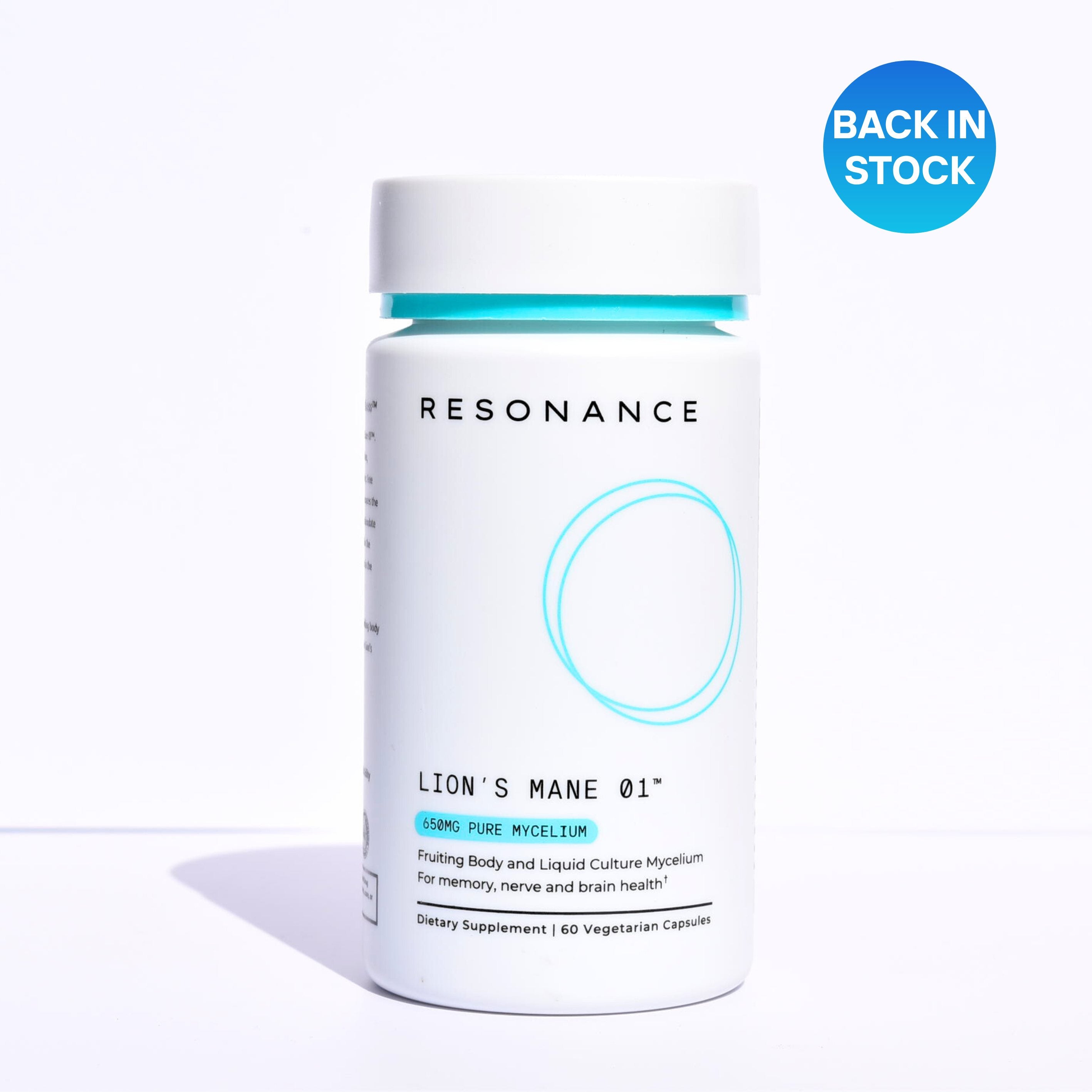
Struggling to find a Lion’s Mane supplement that truly supports your cognitive goals like memory enhancement or sharper focus can be frustrating. You want a product with proven potency, clear sourcing, and third-party testing that matches the science behind neuroprotection and executive function improvement. At Resonance Health, we understand the challenges of separating marketing noise from genuine quality. Our lineup, including the cutting-edge Lion’s Mane 01™, combines both fruiting body and pure mycelium extracts grown in innovative liquid cultures to deliver maximum cognitive benefits.
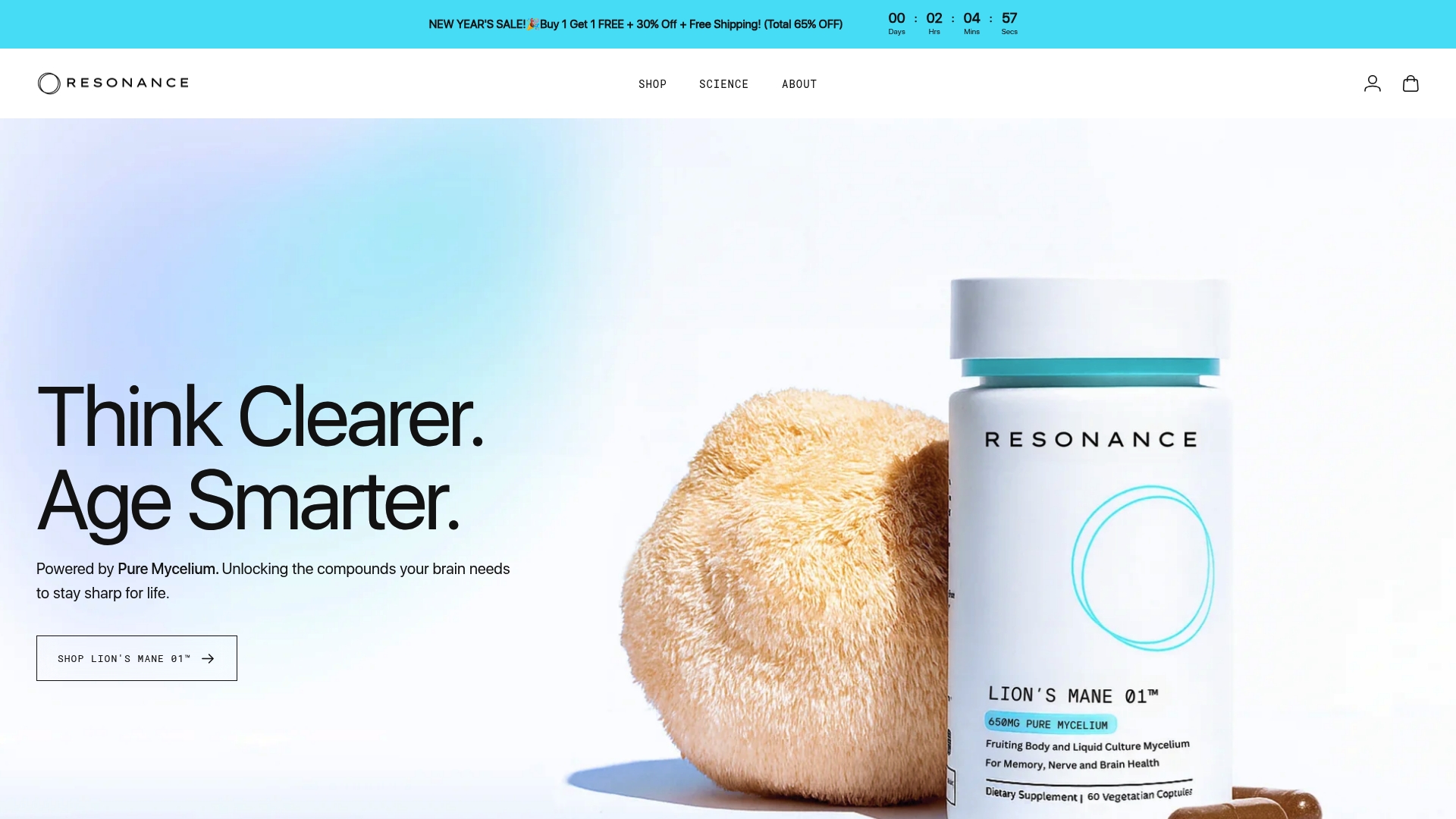
Explore our full selection on All Products – Resonance Health to find supplements that meet rigorous standards for purity and potency. Learn more about our commitment to transparency and science on our Home page – Resonance Health and get detailed insight into our process at https://resonancehealth.co. Don’t settle for less when it comes to your brain health. Take the next step now by choosing a trusted Lion’s Mane supplement designed to help you achieve clearer thinking, sustained focus, and graceful cognitive aging.
Frequently Asked Questions
What are the specific cognitive support goals I should consider when choosing Lion’s Mane?
Identify specific cognitive domains such as memory enhancement, attention improvement, or executive function that are most important to you. Create a clear statement of your primary goal to guide your supplement selection process.
How do I determine the potency of a Lion’s Mane supplement?
Check the product label for specific bioactive compounds and their standardization percentages. Aim for fruiting body extracts along with pure mycelium that have beta-glucans and Erinacines ranging from 15 to 40 percent for optimal potency.
Why is third-party testing important for Lion’s Mane supplements?
Third-party testing ensures the supplement contains what the label claims, providing verification for quality and potency. Request test results like a Certificate of Analysis from manufacturers to confirm they meet rigorous standards.
How can I evaluate the transparency of a Lion’s Mane supplement manufacturer?
Look for clear information on their website regarding sourcing, extraction methods, and quality control certifications. Visit their FAQ section to see if they address common concerns or explain their manufacturing processes.
What factors should I consider before purchasing a Lion’s Mane supplement?
Narrow your options to brands with high potency, transparent sourcing, and verified third-party testing. Compare the price per serving to ensure you’re getting good value based on the active compounds present in each option.
How should I start taking Lion’s Mane for optimal mental clarity?
Begin with the smallest recommended serving size and monitor your response for the first week. Gradually increase to the full recommended dose to accurately assess its impact on your cognitive performance.



Share:
Finding the best Lion's Mane to buy: Fruiting body and Pure mycelium
What Is a Dietary Supplement and Why Quality Matters