

Choosing the right supplement for cognitive support can leave you second-guessing every label and promise. As health-conscious adults in the prime decades of life, you know that maintaining sharp focus and mental clarity often means sifting through a confusing world of vitamins, minerals, and botanical extracts. The truth is, the term “dietary supplement” covers a wide spectrum of products regulated differently than prescription drugs, with manufacturers bearing responsibility for honest labeling and safety. Understanding the true definition of dietary supplements and separating fact from common misconceptions is the first step toward making confident decisions for your long-term brain health.
Table of Contents
- Defining Dietary Supplements And Common Misconceptions
- Main Types Of Dietary Supplements Explained
- How Dietary Supplements Work In The Body
- Quality, Purity, And Third-Party Testing Standards
- Potential Risks, Regulation, And Safety Tips
Key Takeaways
| Point | Details |
|---|---|
| Regulatory Awareness | Dietary supplements are less rigorously regulated than pharmaceuticals, so consumers must be vigilant about safety. |
| Understanding Claims | Supplement labels can only make structure/function claims, not disease claims, impacting their perceived benefits. |
| Quality Variation | Not all dietary supplements are created equal; selecting high-quality products with transparency is essential. |
| Importance of Third-Party Testing | Third-party testing ensures product identity, purity, and potency, helping consumers make informed decisions. |
Defining Dietary Supplements and Common Misconceptions
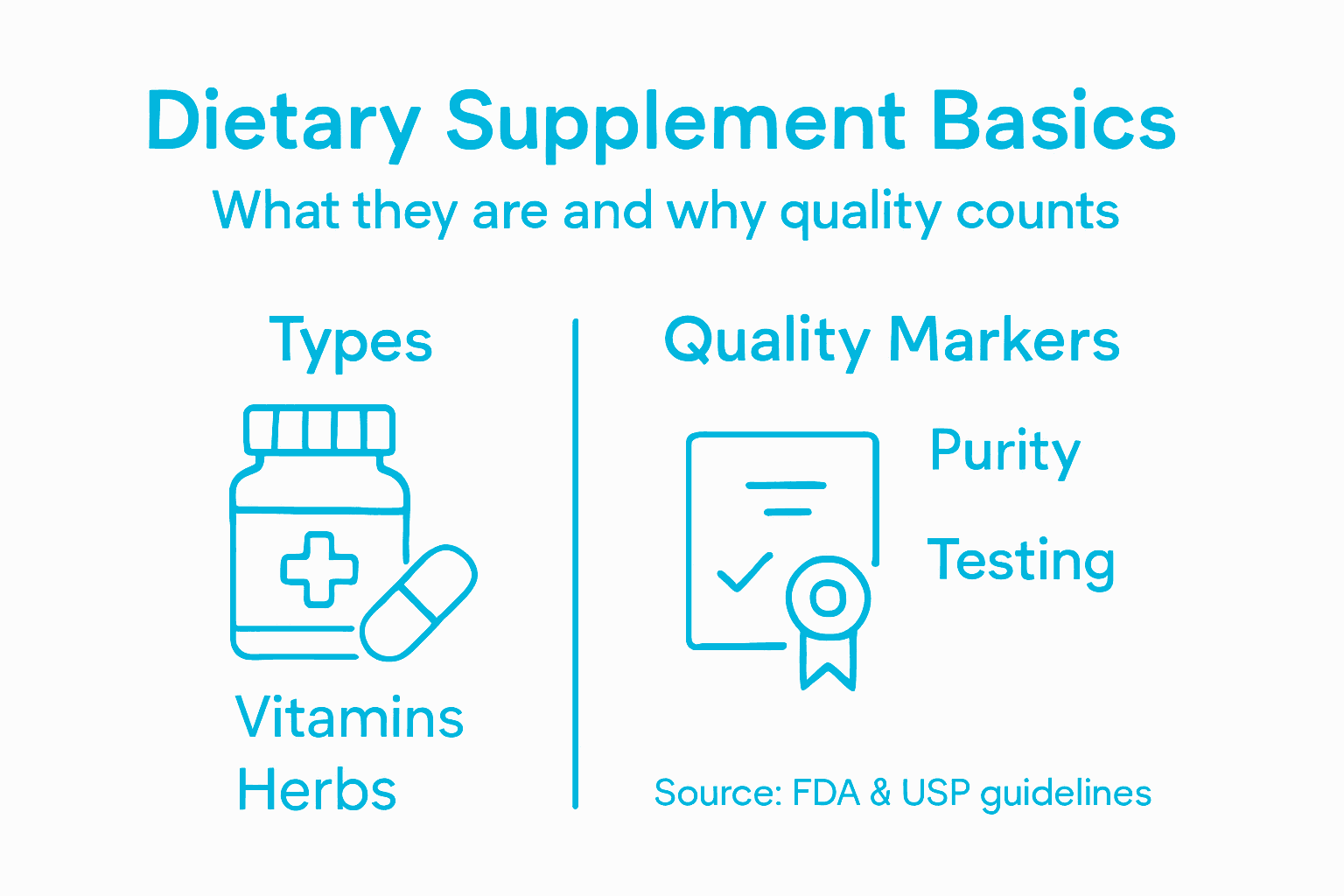
Dietary supplements are manufactured products designed to supplement your diet and provide nutrients that you may not get enough of through food alone. These products include vitamins, minerals, herbs, botanicals, amino acids, probiotics, and various plant extracts. Unlike prescription medications, which must undergo rigorous testing before reaching the market, dietary supplements follow different regulatory pathways that reflect their classification as food products rather than drugs. You’ll find them available in multiple forms: capsules, tablets, powders, liquids, and gummies. The variety in delivery methods means you can choose what works best for your lifestyle and preferences.
Here’s where many people stumble with their understanding. A common misconception is that “dietary supplement” automatically means the product is regulated with the same rigor as pharmaceuticals. That’s not how it works in real life. In the United States, the Dietary Supplement Health and Education Act (DSHEA) of 1994 established the regulatory framework, but it operates quite differently from drug approval processes. Manufacturers bear responsibility for ensuring their products are safe and that label claims are truthful and not misleading. However, the FDA does not review dietary supplement products before they reach store shelves the way it does with drugs. This distinction matters when you’re making purchasing decisions about supplements for cognitive support or any other health goal.
Another widespread misconception involves what supplements can actually do. Many people believe that dietary supplements can prevent, treat, cure, or mitigate diseases. This is incorrect according to U.S. regulations. Your supplement label cannot make disease claims. Instead, labels can only include structure and function claims like “supports mental clarity” or “promotes focus.” This doesn’t mean the ingredients lack scientific backing, but rather that the regulatory language differs significantly. When you’re evaluating supplements for aging gracefully and maintaining mental performance, pay close attention to what the label actually states versus what marketing materials suggest. The distinction between what a supplement can claim and what research shows are two different conversations.
Quality variation within the supplement category represents perhaps the most important misconception to address. Not all dietary supplements are created equally. Some manufacturers employ pharmaceutical-grade manufacturing standards, third-party testing, and rigorous quality control protocols. Others may cut corners significantly. This is precisely why choosing a supplement from a manufacturer committed to transparency, testing, and validated sourcing matters tremendously. When you’re selecting a product to support cognitive function as you age, understanding that the term “dietary supplement” encompasses a spectrum of quality levels allows you to make informed choices based on actual manufacturing practices, ingredient sourcing, and testing protocols rather than assumptions.
The key distinction worth remembering is this: the regulatory status of a product as a dietary supplement tells you about how it’s classified, not necessarily about its quality or efficacy. Two products labeled as dietary supplements can have vastly different manufacturing standards, ingredient purity, and scientific validation behind them. That’s why reading beyond the label, investigating manufacturer credentials, and understanding third-party testing becomes essential when you’re investing in supplements for your health.
Pro tip: Check if a supplement manufacturer provides third-party testing results and GMP (Good Manufacturing Practice) certification on their website or product packaging before making your purchase, as these indicators reveal a commitment to quality that goes beyond basic regulatory compliance.
Main Types of Dietary Supplements Explained
When you walk into a health store or browse online supplement retailers, the sheer variety can feel overwhelming. Understanding the different categories helps you navigate toward what actually addresses your health goals. Dietary supplements come in various types including vitamins, minerals, amino acids, enzymes, probiotics, herbs, and botanicals. Each category serves distinct purposes in supporting your body’s functions, from maintaining energy levels to supporting cognitive performance as you age. Rather than treating all supplements the same, recognizing these categories allows you to make targeted choices based on what your body needs.
Vitamins and Minerals: The Foundation
Vitamins are organic substances that your body cannot produce in sufficient quantities on its own. They fall into two main categories: fat-soluble vitamins (A, D, E, and K) that your body stores in fatty tissues, and water-soluble vitamins (B-complex and C) that your body doesn’t store, requiring regular dietary intake. Minerals are inorganic elements like calcium, magnesium, zinc, and iron that your body needs for bone health, muscle function, and countless enzymatic reactions. Many people reach for multivitamin supplements when their diets lack variety, though whole foods should always be your first choice. The reality is that you can often meet your nutritional needs through thoughtful eating, but supplements serve as a practical backup when life gets busy or dietary gaps exist.
Herbs, Botanicals, and Plant-Based Extracts
This category represents some of the most interesting options for cognitive support and mental clarity. Herbs and botanicals have been used across cultures for centuries, drawing from traditional medicine systems like Chinese medicine and Ayurveda. These plant-derived supplements contain active compounds extracted from leaves, roots, flowers, or fruiting bodies. What makes this category particularly relevant to your health journey is that many herbs contain compounds with measurable biological activity. For instance, certain medicinal mushroom mycelium contains bioactive compounds studied for their potential effects on brain health and neuroplasticity. Unlike vitamins and minerals, which have clearly defined chemical structures, herbal supplements can be more complex, with their potency varying based on growing conditions, harvesting timing, and extraction methods. This complexity underscores why manufacturer quality and transparency become critical when selecting plant-based supplements.

Amino Acids, Enzymes, and Probiotics
Amino acids are the building blocks of proteins and play roles in everything from muscle synthesis to neurotransmitter production. Enzymes are proteins that facilitate biochemical reactions throughout your body, supporting digestion and nutrient absorption. Probiotics are beneficial microorganisms that support your gut microbiome, which increasingly research connects to brain health and cognitive function. These three categories operate differently than vitamins and minerals because they’re more directly involved in active biological processes. When you’re thinking about aging gracefully and maintaining mental clarity, supporting your gut health through probiotics becomes particularly relevant, as the gut-brain axis influences mood, focus, and cognitive performance.
Making Sense of Your Options
The supplement landscape breaks down into categories based on chemical structure and function, but what matters most to you is this: understanding what each type does helps you identify which supplements address your specific needs. If you’re focused on cognitive support and mental clarity as you age, you’ll likely find yourself exploring plant-based extracts and specific botanicals rather than basic multivitamins. The intersection of traditional knowledge and modern research often highlights herbal supplements as worthy of investigation, particularly when sourced and manufactured with rigorous quality standards that ensure consistent potency and purity.
To help clarify supplement categories, here’s a summary table highlighting their main characteristics and typical uses:
| Supplement Type | Primary Function | Typical Ingredients |
|---|---|---|
| Vitamins & Minerals | Fill dietary nutrient gaps | Vitamin C, Calcium, Zinc |
| Herbs & Botanicals | Support cognitive or immune health | Ginkgo biloba, Ashwagandha |
| Amino Acids | Aid muscle and brain function | L-Theanine, L-Tyrosine |
| Enzymes & Probiotics | Improve digestion, gut support | Lactase, Acidophilus cultures |
Pro tip: When evaluating supplements in any category, prioritize products from manufacturers who disclose their sourcing methods, extraction processes, and provide third-party testing documentation, as these practices directly impact the supplement’s actual potency and quality regardless of category.
How Dietary Supplements Work in the Body
Your body operates as an intricate system where thousands of chemical reactions occur every second. These reactions require specific nutrients and compounds to function optimally. When you consume a dietary supplement, you are introducing substances designed to participate in these biological processes. The mechanism is straightforward at first glance: dietary supplements bridge the gap between dietary intake and nutrient needs by supplying vitamins, minerals, herbs, amino acids, enzymes, and other ingredients that your diet may lack. However, what happens after you swallow that capsule involves a far more complex journey through your digestive system, bloodstream, and cells. Understanding this process helps you appreciate why supplement quality, form, and timing matter significantly for achieving the results you seek.
The Journey Through Your Body
When you take a supplement in capsule, tablet, or liquid form, your digestive system begins breaking it down immediately. Depending on whether it’s fat-soluble or water-soluble, the supplement travels different pathways. Water-soluble nutrients like vitamin C and B-vitamins dissolve in your digestive fluids and move into your bloodstream relatively quickly. Fat-soluble nutrients like vitamins A, D, E, and K require dietary fat for absorption, which is why taking these supplements with food matters. The supplement’s form directly affects how efficiently your body can absorb and utilize its contents. A poorly formulated supplement might pass through your system without being absorbed at all, whereas a well-designed formula with appropriate binders, flow agents, and delivery systems maximizes bioavailability. This distinction explains why two supplements with identical ingredient lists can produce vastly different results based on how they’re manufactured.
Once absorbed, these nutrients circulate through your bloodstream and reach cells throughout your body. Here is where the actual work begins. Supplements such as vitamins, minerals, antioxidants, and amino acids support various bodily functions, from protecting cells against oxidative damage to building proteins essential for growth and maintenance. Antioxidants neutralize free radicals that can damage your cells and accelerate aging. Enzymes facilitate digestion and nutrient absorption, making other nutrients more bioavailable. Amino acids serve as building blocks for neurotransmitters that directly influence your mood, focus, and cognitive clarity. When you’re targeting cognitive support as you age, supplements containing specific compounds work by crossing the blood-brain barrier and participating in neurological processes that support memory, focus, and mental clarity.
Individual Variation and Optimization
Here’s what many people miss: your body’s ability to absorb and utilize supplements varies based on multiple factors. Your age, digestive health, existing nutrient levels, medications, and even genetic factors influence how effectively a supplement works for you. A supplement that produces noticeable results for one person might seem ineffective for another, not because one supplement is defective, but because individual biochemistry differs. A person with compromised gut health may struggle to absorb nutrients regardless of supplement quality. Someone already well-nourished in a particular nutrient won’t benefit from additional supplementation in that area. This variability underscores why understanding your specific needs, getting baseline information about your current nutritional status when possible, and choosing supplements designed with bioavailability in mind becomes crucial. The effectiveness you experience depends on the supplement’s quality and your body’s ability to process it.
The Role of Consistency and Time
Unlike medications that produce immediate effects, most supplements require consistent use over time to demonstrate their benefits. Your body doesn’t instantly restructure based on a single dose. Instead, nutrients accumulate and integrate into your body’s systems, supporting processes that unfold over weeks and months. Cognitive supplements, in particular, work through mechanisms that involve neuroplasticity, cellular repair, and gradual optimization of brain function. This timeline explains why manufacturers and health experts consistently recommend giving supplements at least 4 to 12 weeks before evaluating their effectiveness. You’re not looking for dramatic overnight changes; you’re supporting your body’s natural capacity to maintain and improve mental clarity as you age.
Pro tip: Take supplements consistently at the same time each day with appropriate meals and beverages to optimize absorption, and keep a simple journal tracking your energy, focus, and mental clarity over 8 to 12 weeks to identify patterns that reveal whether a supplement is actually working for your individual biology.
Quality, Purity, and Third-Party Testing Standards
Not all dietary supplements are created equal, and this reality becomes crystal clear when you examine how they’re tested and verified. The supplement you purchase could be exceptional or mediocre depending on the manufacturer’s commitment to quality standards. This is where third-party testing becomes your most reliable tool for determining whether a supplement actually contains what the label promises and whether it’s free from harmful contaminants. Third-party certification means an independent organization tests and verifies products meet quality standards, including ingredient content and absence of contaminants. When you’re investing in supplements for cognitive support, understanding these testing standards transforms you from a passive consumer into an informed buyer who can confidently evaluate product quality.
What Third-Party Testing Actually Measures
Third-party testing verifies three critical aspects of supplement quality. First, identity confirms that the supplement actually contains the ingredients listed on the label. Second, purity ensures that the product is free from harmful contaminants such as heavy metals, pesticides, bacteria, and other adulterants. Third, potency verifies that the supplement contains the specified amount of active ingredients claimed on the label. These three factors work together to establish whether you’re getting what you paid for. A supplement might contain the right ingredient but in insufficient quantities to be effective. Another might contain the correct potency but be contaminated with lead or other toxins. The United States Pharmacopeia Dietary Supplement Verification Program provides independent third-party verification for identity, purity, potency, and composition, giving you assurance that verified products meet stringent standards.
When manufacturers invest in third-party testing, they’re demonstrating confidence in their products and commitment to consumer safety. This testing costs money, which is why some budget-friendly supplements skip it entirely. However, this is one area where paying more often translates to genuine quality improvement. A manufacturer producing supplements for cognitive enhancement who pursues rigorous third-party testing understands that you’re consuming these products to support your brain health, and contamination or mislabeling directly undermines that goal.
Understanding Testing Limitations
Here’s a critical distinction many consumers miss: third-party certification verifies that a supplement’s label is accurate and the product is pure, but it does not assess whether the supplement is actually safe or effective for treating or preventing any condition. This limitation matters because an accurately labeled, pure supplement still might not produce the results you seek based on your individual biology. A contaminated supplement is objectively problematic. An ineffective supplement is not a failure of quality; it’s simply not suitable for your specific needs. This distinction prevents supplement companies from making disease claims based on third-party testing results. The testing ensures the product is what it claims to be, not that it delivers miraculous health transformations.
Key Testing Certifications to Look For
When evaluating supplements, recognize these important quality indicators:
United States Pharmacopeia (USP) Verification indicates the product has passed rigorous testing for identity, purity, potency, and composition. Products bearing the USP Verified mark meet pharmaceutical-grade standards.
NSF Certification verifies that products meet quality standards and contain only the ingredients listed on the label without prohibited substances.
ConsumerLab conducts independent testing and publishes results showing whether products meet label claims and are free from contaminants.
GMP (Good Manufacturing Practice) Certification indicates that the facility follows FDA-established standards for manufacturing, packaging, and testing procedures.
These certifications represent significant investments by manufacturers in quality assurance. When a supplement carries multiple certifications from reputable organizations, you gain multiple layers of verification rather than relying on a single standard.
Consider these key differences among supplement quality certifications for smarter shopping:
| Certification | What It Verifies | Who Provides It |
|---|---|---|
| USP Verified | Identity, purity, potency, composition | United States Pharmacopeia |
| NSF Certified | Ingredients, absence of banned substances | NSF International |
| ConsumerLab Approved | Label accuracy, no contaminants | ConsumerLab.com |
| GMP Facility Registered | Manufacturing processes and hygiene | FDA (via third parties) |
Manufacturing Transparency as a Quality Indicator
Beyond third-party testing, quality-focused manufacturers provide transparent information about their sourcing and manufacturing processes. This transparency matters because it reveals whether the company understands and controls every step of production. A manufacturer willing to explain how they source ingredients, which extraction methods they use, and what quality controls they employ at each stage demonstrates accountability. Some premium supplement manufacturers use proprietary extraction or growth methods specifically designed to maximize potency and bioavailability. Others employ liquid culture fermentation or other advanced techniques that distinguish their products from mass-market alternatives. When shopping for cognitive support supplements, manufacturers who discuss these details openly invite scrutiny, suggesting confidence in their methods.
Pro tip: Before purchasing any supplement, visit the manufacturer’s website and search for third-party testing results, GMP certification, and detailed sourcing information; if this information is difficult to find or absent, consider it a red flag suggesting the manufacturer may not prioritize quality transparency.
Potential Risks, Regulation, and Safety Tips
Dietary supplements occupy a unique regulatory space that gives them more freedom than pharmaceuticals but also creates potential pitfalls for consumers. Understanding these risks and the regulatory landscape empowers you to use supplements safely and effectively. The reality is that the FDA does not test supplements before market release and cannot mandate recalls of unsafe products, creating an environment where manufacturers bear primary responsibility for safety. This regulatory gap means that risky products can reach the market, and dangerous supplements may persist in circulation longer than they would if subjected to pharmaceutical-level oversight. While most supplements are safe when manufactured responsibly, the potential for contamination, mislabeling, and undisclosed ingredients exists. Your awareness of these risks and practical safety strategies forms your best defense.
Understanding Regulatory Limitations
The Dietary Supplement Health and Education Act of 1994 fundamentally established that supplements are presumed safe until proven otherwise, which contrasts sharply with the pharmaceutical model where products must prove safety before market entry. This inverted burden of proof means the FDA must demonstrate that a supplement is unsafe before taking action, rather than manufacturers proving it is safe beforehand. Supplements are not required to undergo premarket safety testing, and the FDA lacks authority to mandate recalls in many situations. This framework reflects the legislative intent to keep supplements accessible and affordable, but it creates blind spots. Contamination with heavy metals, bacterial pathogens, or undisclosed pharmaceutical ingredients can occur, and consumers may not discover these problems until adverse events are reported. Some manufacturers cut corners deliberately, while others may simply lack rigorous quality control. The gap between best practices and minimum compliance can be substantial.
Common Risks and Adverse Events
Adverse events from dietary supplements can include side effects, interactions with medications, and contamination with hidden ingredients, ranging from mild discomfort to serious health consequences. Drug interactions represent a significant but often overlooked risk. Certain supplements can interfere with blood thinners, antidepressants, blood pressure medications, and other pharmaceuticals, either reducing their effectiveness or amplifying their effects dangerously. Herbal supplements in particular interact with medications in ways that many consumers don’t anticipate. For example, some herbal stimulants can increase heart rate and blood pressure, creating risks for individuals with cardiovascular conditions. Contamination risks vary by supplement type and manufacturer. Heavy metals like lead, cadmium, and arsenic can accumulate in herbal products grown in contaminated soil. Some supplements have been found to contain hidden pharmaceutical ingredients, particularly products imported from certain countries. Mislabeling creates additional risks, with some products containing either more or less of the stated active ingredient than labeled. These scenarios underscore why third-party testing and manufacturer transparency matter tremendously.
Practical Safety Strategies
You can minimize risks through deliberate choices and informed practices. Start by purchasing supplements from reputable manufacturers who invest in quality testing and transparency. Choose products that carry third-party certifications from organizations like USP, NSF, or ConsumerLab. Before adding any supplement to your routine, disclose it to your healthcare provider, particularly if you take medications or have existing health conditions. This conversation allows your physician to identify potential interactions and monitor for adverse effects. When starting a new supplement, introduce it individually rather than changing multiple products simultaneously. This approach allows you to identify which supplement caused any adverse effects you experience. Keep detailed records of what you take, when you take it, and any effects you notice. Track not only negative effects but also benefits you experience, creating a personal record that helps you evaluate whether a supplement actually works for you.
Recognizing Red Flags
Certain warning signs indicate you should avoid or reconsider a supplement. Products making disease claims that state they can prevent, treat, cure, or mitigate diseases violate FDA regulations, and manufacturers making such claims often have lax quality standards. Supplements with prices that seem too good to be true compared to competitors may contain lower quality ingredients or be mislabeled. Products without any contact information, manufacturing location, or expiration date suggest poor manufacturing practices. Supplements from manufacturers unwilling to provide third-party testing results or manufacturing information raise serious questions about quality. If a product’s safety profile appears unknown or controversial, research thoroughly before use. Your local pharmacist represents an underutilized resource who can review potential interactions and safety concerns.
The Role of Communication with Healthcare Providers
Your healthcare provider needs to know about supplements you take. This conversation doesn’t require your doctor to approve every supplement, but rather to be aware of what you’re consuming so they can identify potential interactions, monitor for adverse effects, and provide informed guidance. Many healthcare providers now recognize the reality that patients will use supplements and appreciate transparency that allows them to provide better care. When discussing supplements with your healthcare provider, bring product labels, third-party testing documentation if available, and be honest about dosages and consistency of use.
Pro tip: Before starting any new supplement, create a simple checklist: verify the manufacturer provides third-party testing results, confirm it doesn’t interact with your medications, and commit to using it consistently for at least 8 to 12 weeks while tracking effects in a journal to determine if it actually works for your individual needs.
Discover the Power of High-Quality Supplements for Your Cognitive Health
Understanding the importance of quality, purity, and scientifically backed ingredients is crucial when choosing dietary supplements for mental clarity and cognitive support. The article highlights key challenges such as inconsistent manufacturing standards, lack of third-party testing, and misleading claims that can leave you uncertain about what truly benefits your brain health. If you are navigating the complex supplement landscape, aiming for trustworthy products that maximize bioavailability and deliver real results is essential to aging gracefully and maintaining focus.
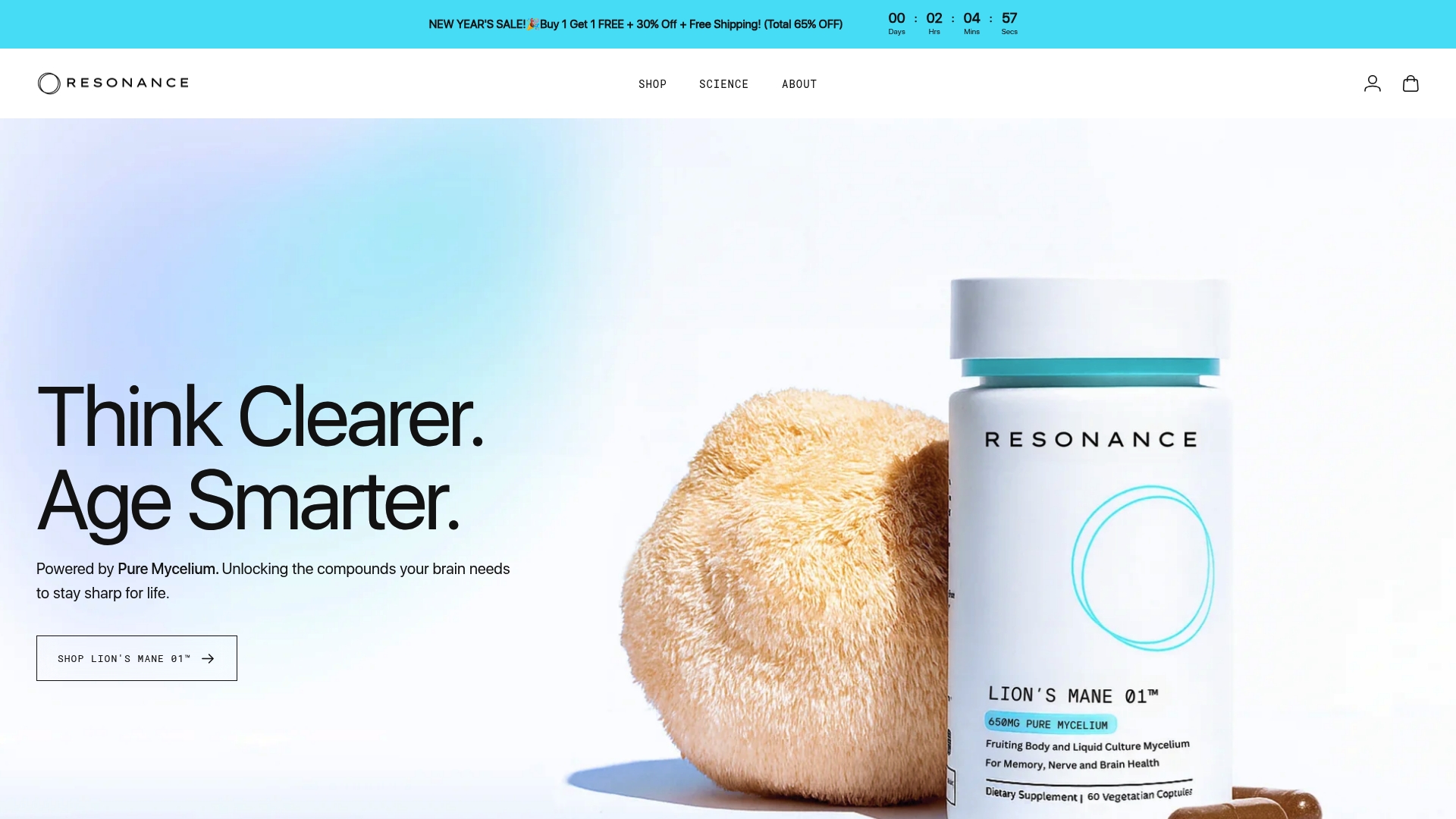
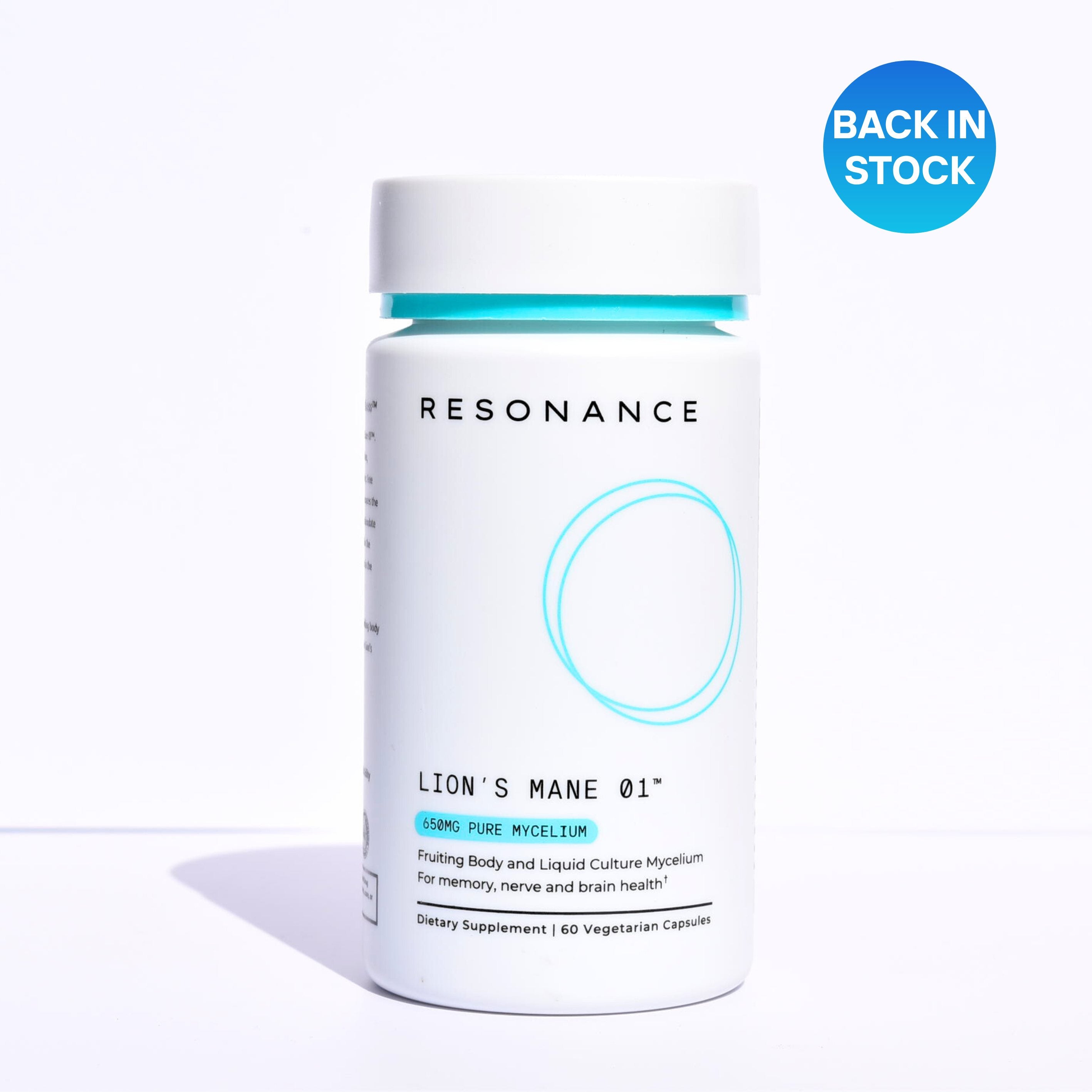
Take control of your cognitive wellness today with supplements designed to meet these high standards. At Resonance Health, we specialize in premium Lion’s Mane mycelium products like Lion’s Mane 01™, which combine the potent fruiting body and pure mycelium grown through innovative liquid culture methods. We emphasize full transparency by sharing detailed manufacturing information and third-party testing results so you can trust every capsule you take. Explore how you can support your mental performance with confidence by visiting our main site and learning about our commitment to quality and efficacy on the product page. Don’t settle for uncertainty when elevating your brain health is just a click away.
Frequently Asked Questions
What are dietary supplements?
Dietary supplements are manufactured products designed to supplement your diet with nutrients, including vitamins, minerals, herbs, amino acids, and enzymes. They are available in various forms like capsules, powders, and gummies and are intended to help fill nutritional gaps in your diet.
Why is quality important in dietary supplements?
Quality is essential because not all dietary supplements are created equally. Variations in manufacturing processes, ingredient sourcing, and testing can greatly affect the potency and safety of a supplement. Choosing high-quality products ensures you receive the nutrients you expect without harmful contaminants.
How can I determine if a dietary supplement is effective?
To determine effectiveness, look for third-party testing certifications, which verify the product’s identity, purity, and potency. Additionally, research the ingredients and consult with healthcare providers about your specific health needs to ensure the supplement addresses your goals.
Can dietary supplements prevent diseases?
According to U.S. regulations, dietary supplements cannot make claims to prevent, treat, cure, or mitigate diseases. They can only support overall health, such as improving mental clarity or promoting focus. Understanding these limitations is crucial when evaluating supplement claims.
Recommended
- Sustainable Functional Mushrooms with Pure Mycelium™ – Resonance Health
- Functional Mushrooms: Benefits, Types & Using for Wellness – Resonance Health
- Finding the best Lion’s Mane to buy: Fruiting body and Pure mycelium – Resonance Health
- Best Lion’s Mane for Brain Health: Pure Mycelium 01 Extract – Resonance Health



Share:
How to Choose Lion's Mane for Optimal Mental Clarity
7 Key Advantages of Mycelium Supplements for Mind Clarity